

Designing a user- and patient-centered software experience

MASTERPULS Icon
UX/UI for Icon - the next generation of shockwave therapy devices

The Challenge
Legacy software had grown through incremental add-ons, drifting from real practice workflows and creating inconsistent UX and visuals - slowing onboarding and failing to convey a state-of-the-art experience for users and patients.
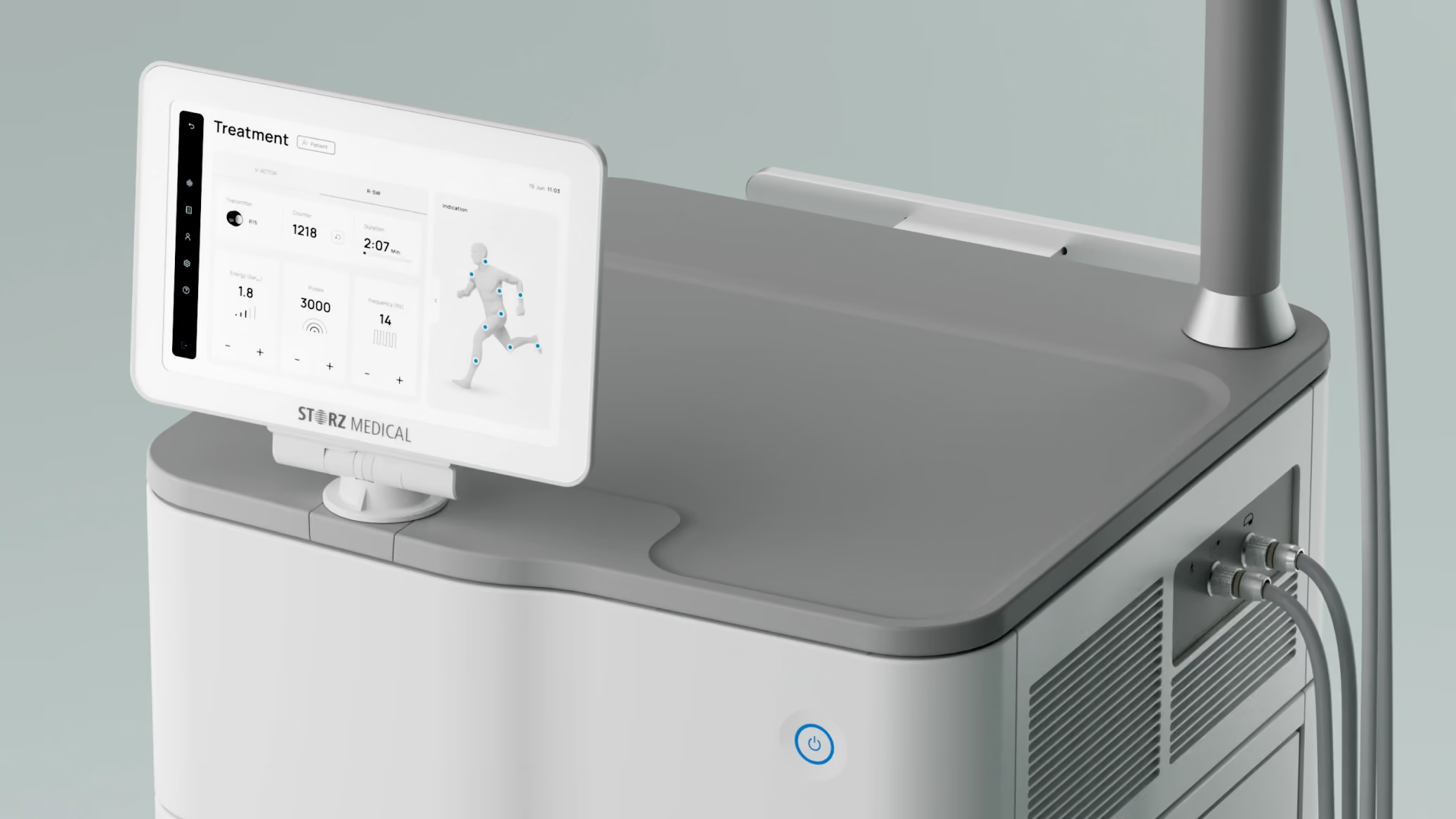
The Solution
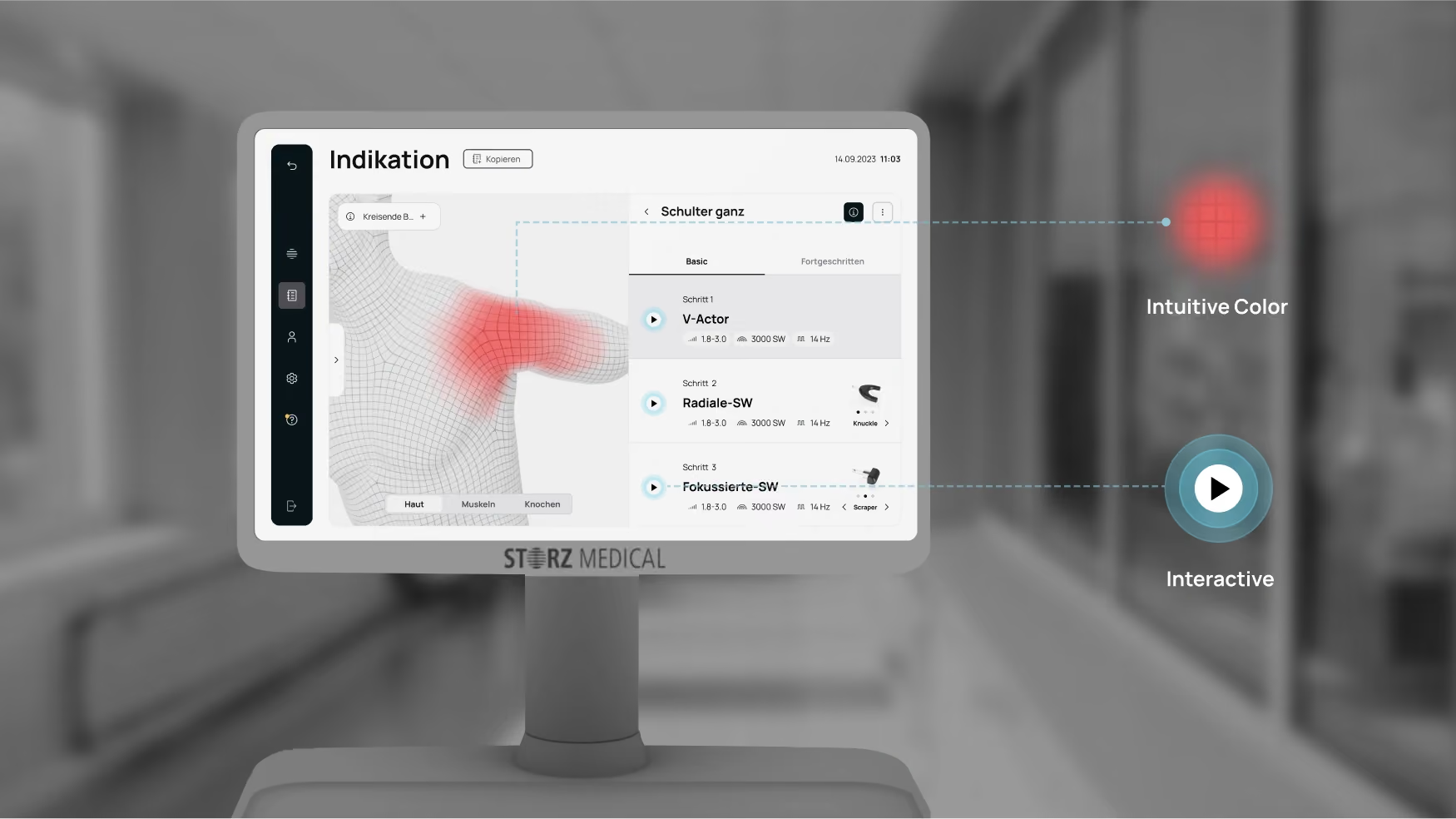
We went into the field with application specialists and healthcare professionals (HPs) to learn and map the ideal therapy flow, then rebuilt the application around it: a workflow-based architecture, clear hierarchy for critical parameters, and an integrated visual language. To further support patient communication, we introduced a precise, friendly avatar that explains indications and planned steps. Prototypes were iterated and tested, then refined with Storz Medical’s product and development teams for implementation.
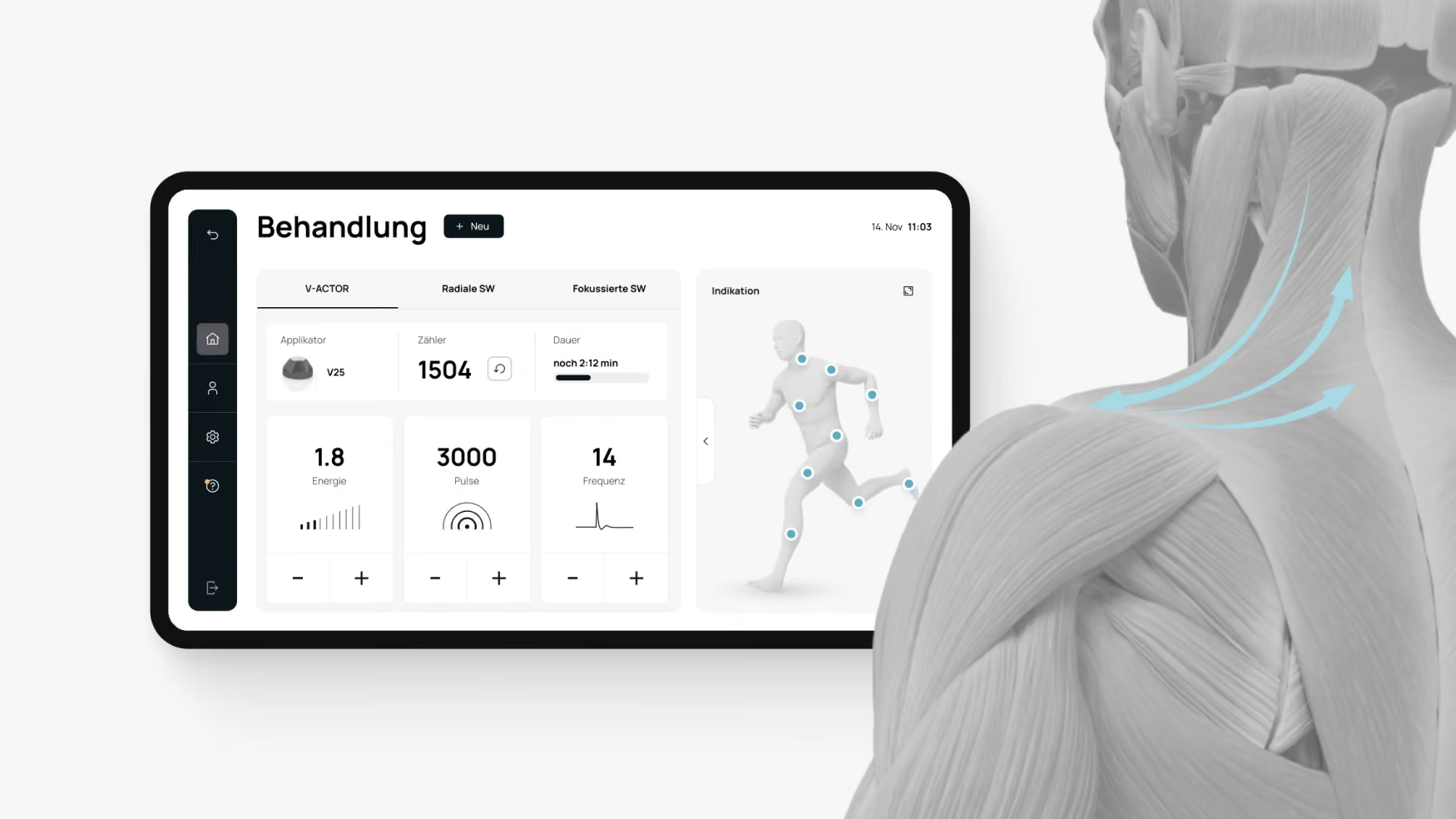
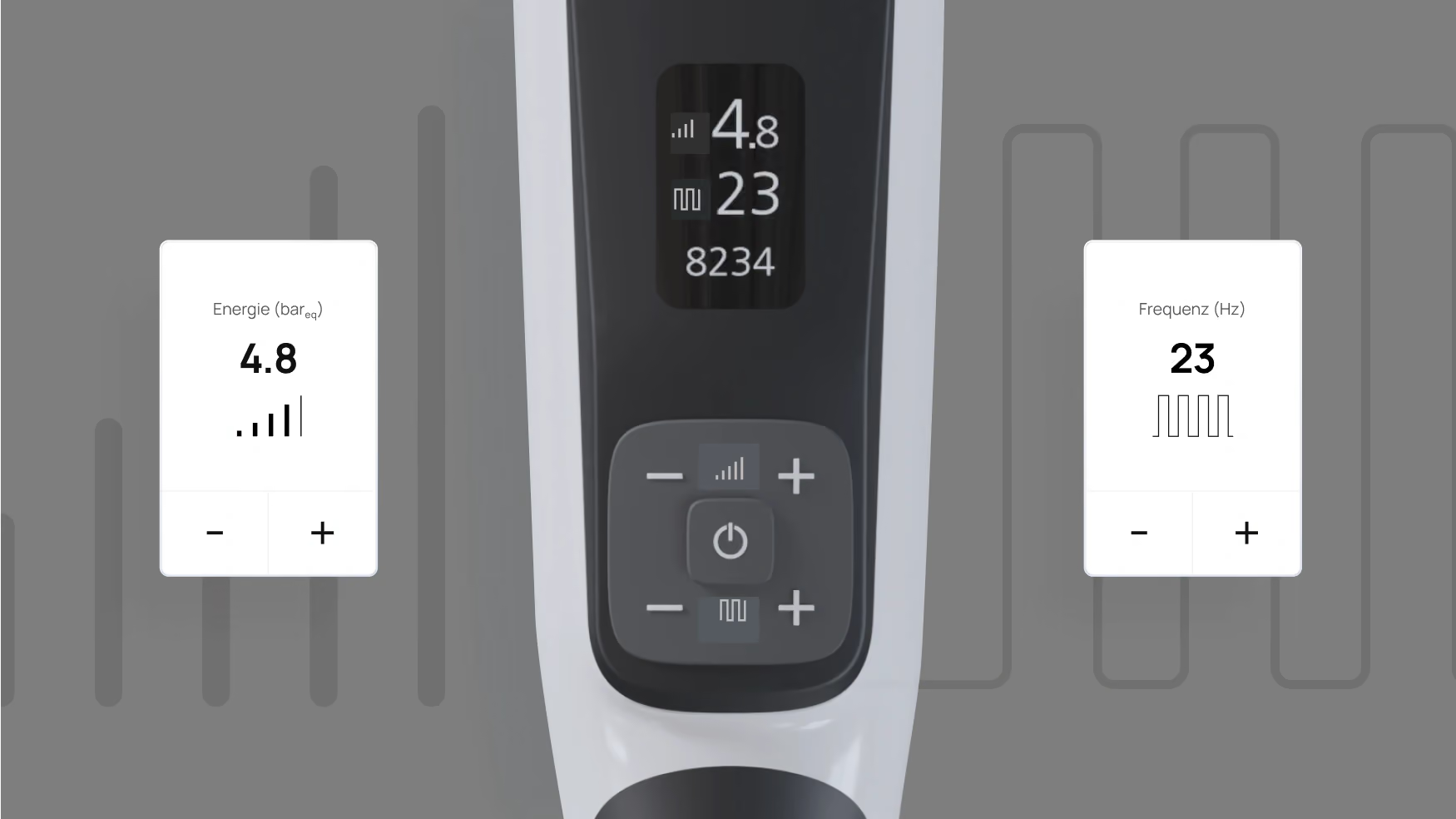
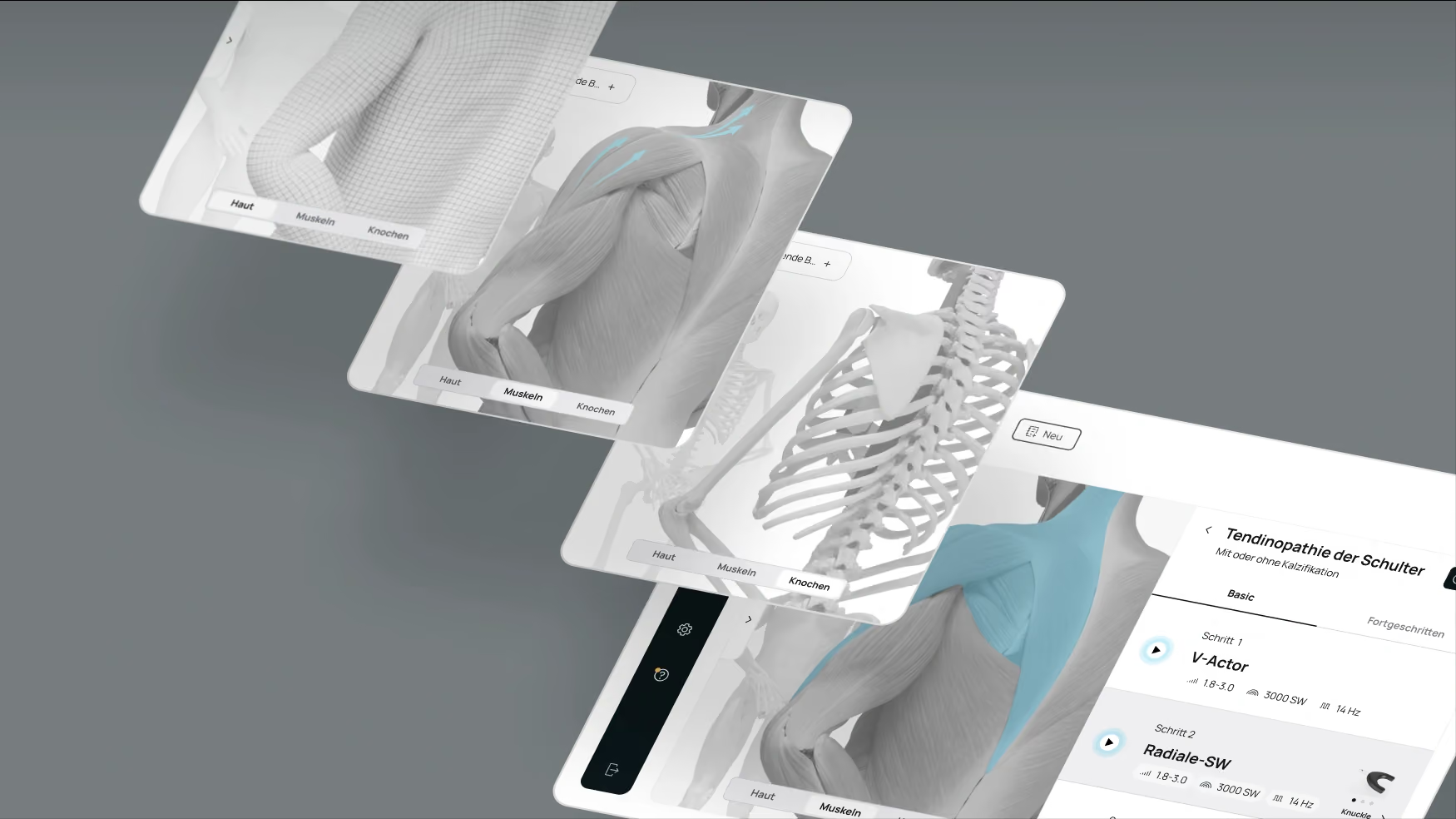
Integrated research & co-creation.
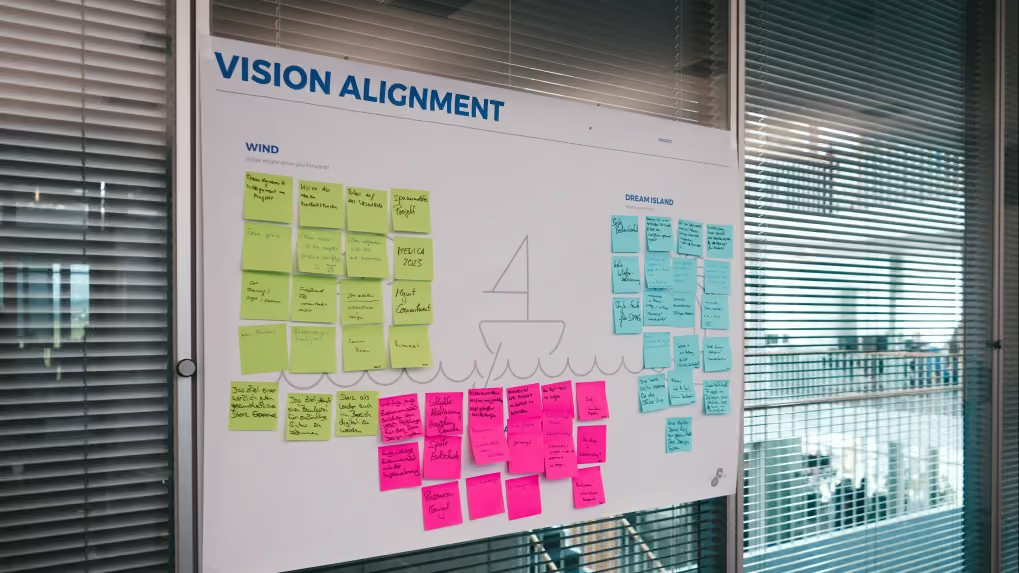
We partnered closely with practitioners and Storz Medical’s application specialists - from expert interviews and ethnographic observations in clinics to short iteration loops with product management. This ensured decisions reflected practice reality and translated cleanly into a robust architecture and execution.
Workflow-based UX architecture.
The navigation mirrors the healthcare professional’s mental model: indication → parameter selection → guided execution → documentation. Each section has a single job; information density scales with task criticality, so what’s essential surfaces instantly and right where its needed such as right on the e-ink screen on the handpiece during focussed work. At the same time secondary options remain close at hand. The result: orientation at a glance right where the HP works and fewer taps when it matters.
Clarity for crucial parameters.
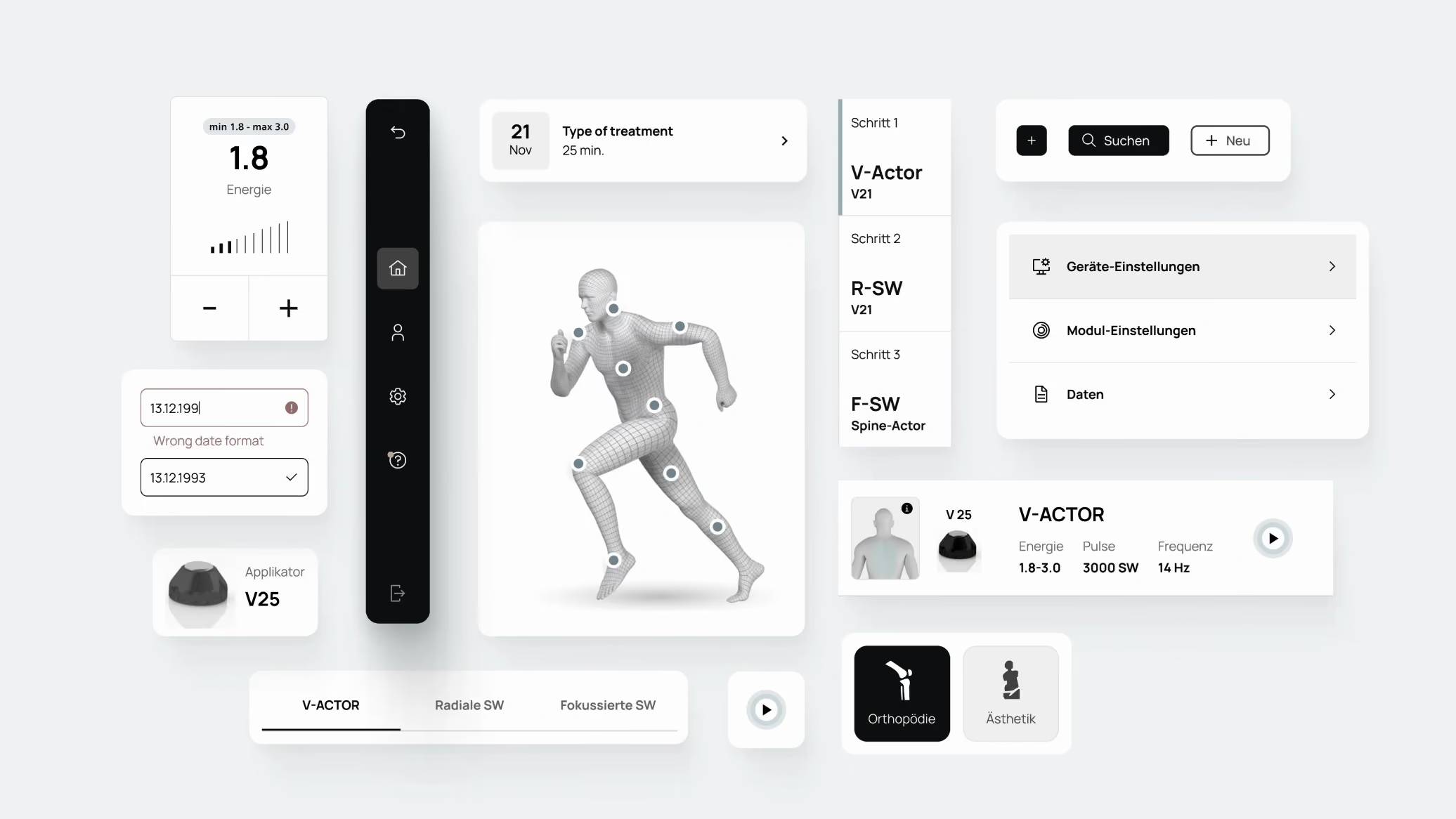
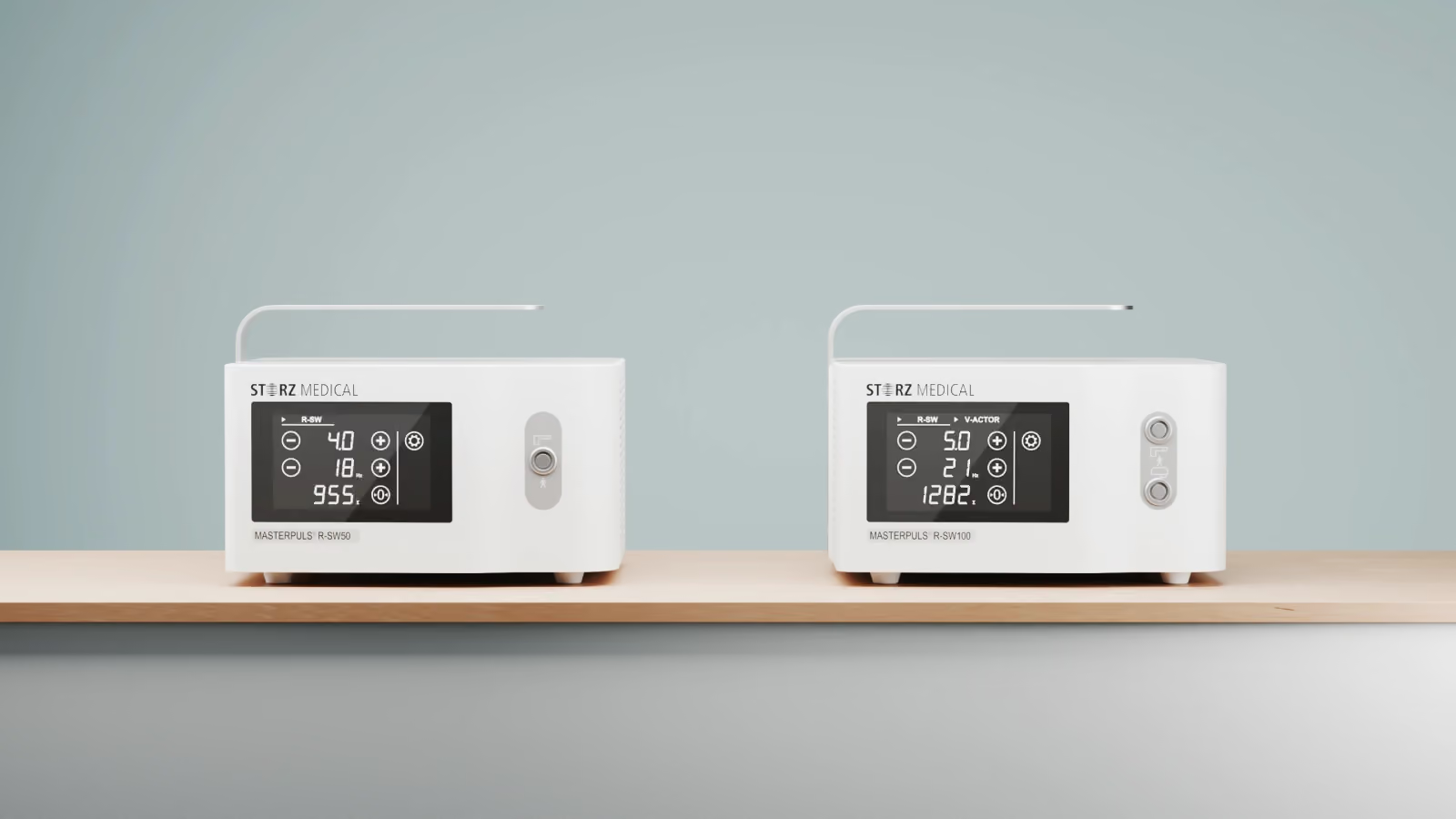
Energy, frequency, counts and device modes are presented with crisp hierarchy, consistent labelling and high legibility. Visual rhythm, spacing and subtle motion feedback make changes obvious without visual noise - supporting safe, confident adjustments at any touchpoint during treatment.
Communicating treatment with an avatar.
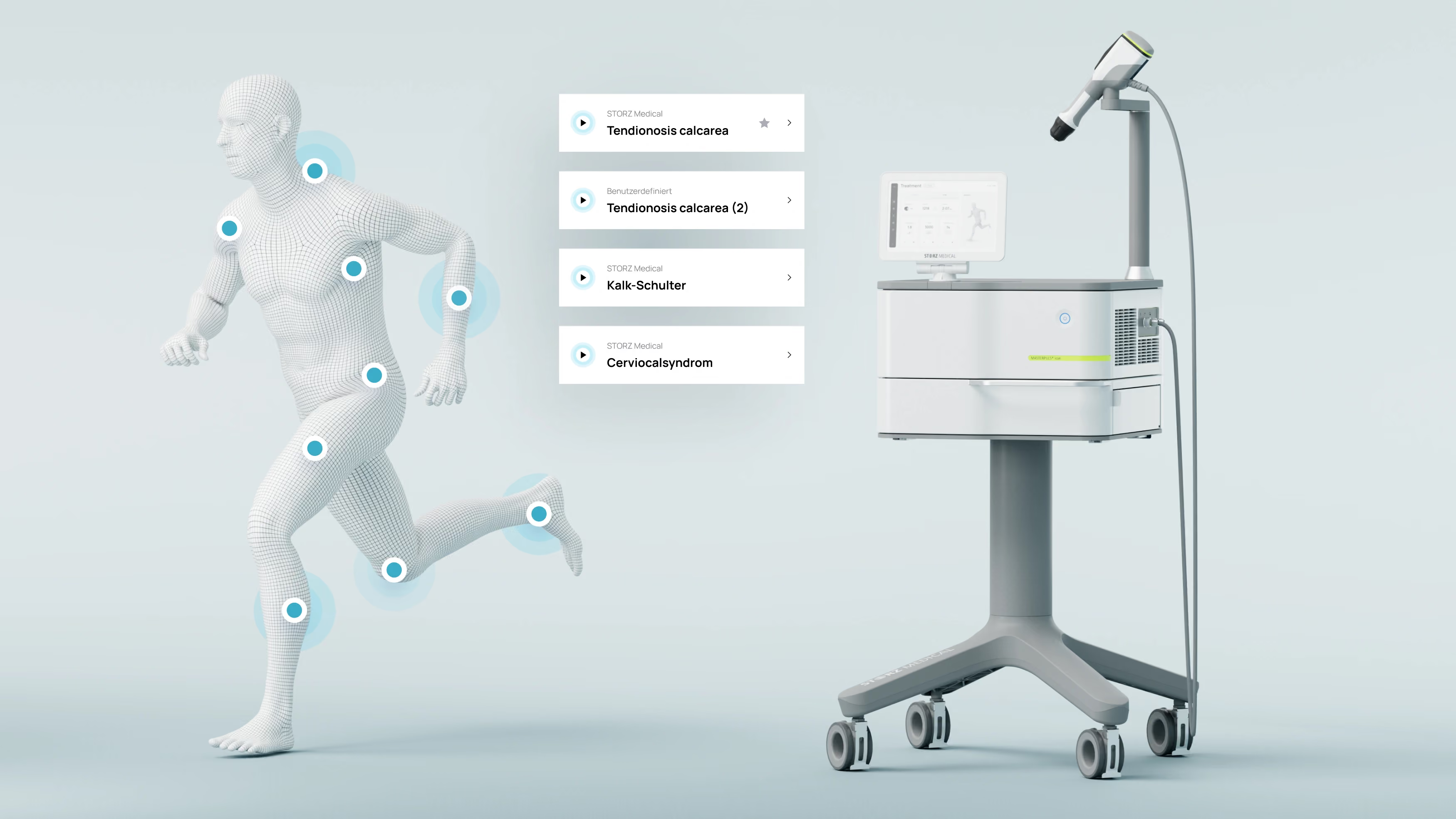
Research highlighted the need to bring patients into the loop. Therefor we designed a respectful, high-fidelity avatar that highlights anatomy layers and target regions, stepping through the planned protocol. Healthcare professionals can quickly explain the why, where and how, improving trust and compliance - without adding time to the session.
Prototyping, testing, refinement.
From low to high fidelity, we tested flows, labels, micro-interactions and parameter layouts with experts and healthcare professionals, then iterated until the experience felt effortless. We handed over packaged logic, components and states in a cohesive design system for seamless implementation by the development teams.
Design system & visual language.
Rooted in Storz Medical’s brand and physical design language, we developed a cohesive system that keeps focus on treatment data, guides the HP, and centres the patient. The visual expression and tone are precise, modern and approachable - closely aligned with the device family for a seamless physical–digital experience, and scalable across indications and devices and future devices to come.
We greatly appreciate FLUID’s work and their deep understanding of both the functional and aesthetic aspects of our products. Their structured yet creative approach led to a design that is not only innovative but also highly practical for everyday use. The collaboration was efficient, inspiring, and always solution-oriented. Working with FLUID has been a valuable experience for all of us, and we truly appreciate their dedication and expertise.
Highlights & Capabilities
Steering the next product generation.
Close collaboration with management, clinical experts and development aligned the UX with product strategy and roadmap - de-risking decisions and accelerating delivery.
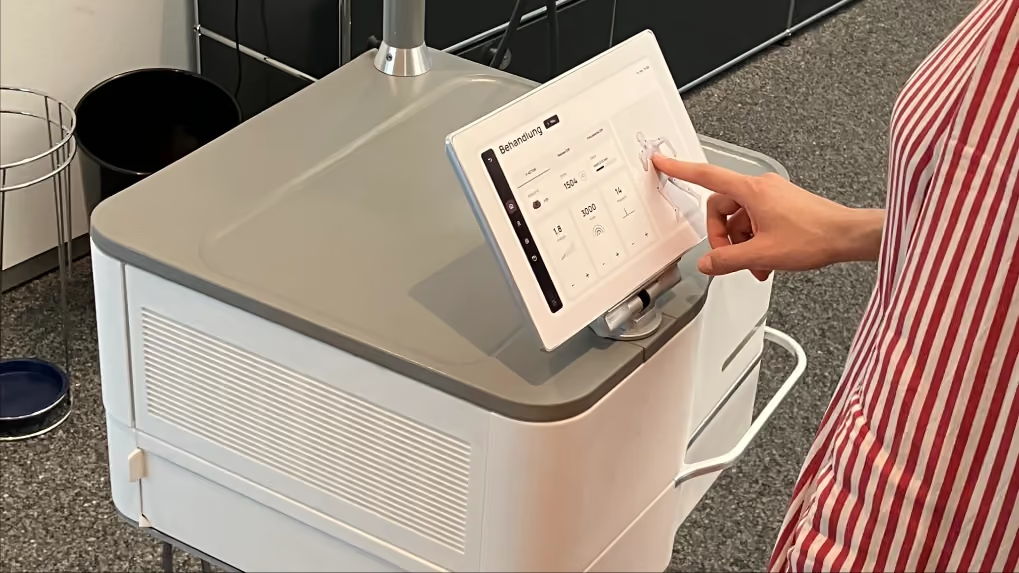
High-fidelity treatment avatar.
We designed, produced and animated a medically respectful, detail-rich avatar to visualize indications and protocols, making patient communication clear and confident.
Related Projects

Subscribe to our newsletter!

Copyright © FLUID Design GmbH — All rights reserved.