


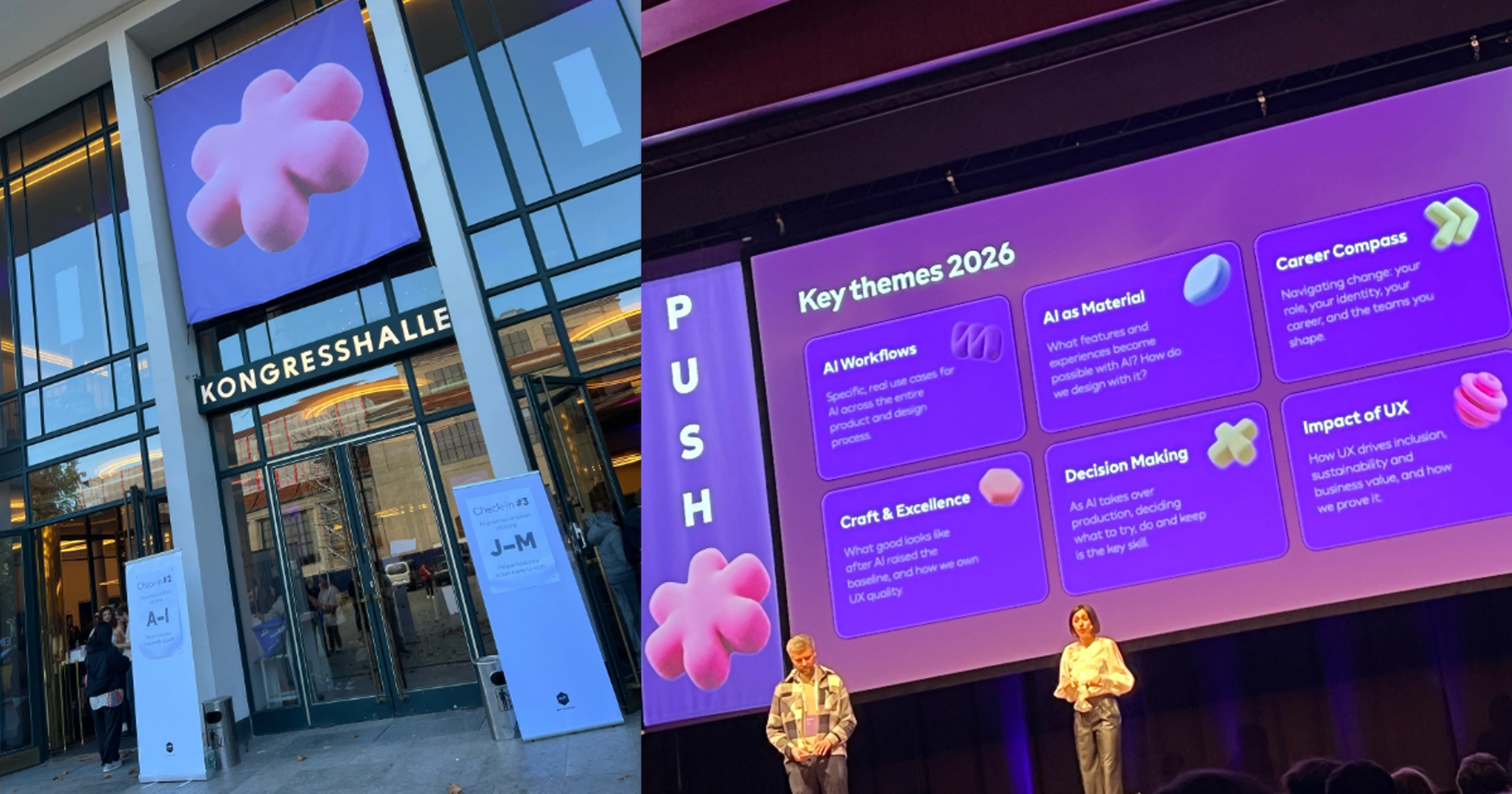
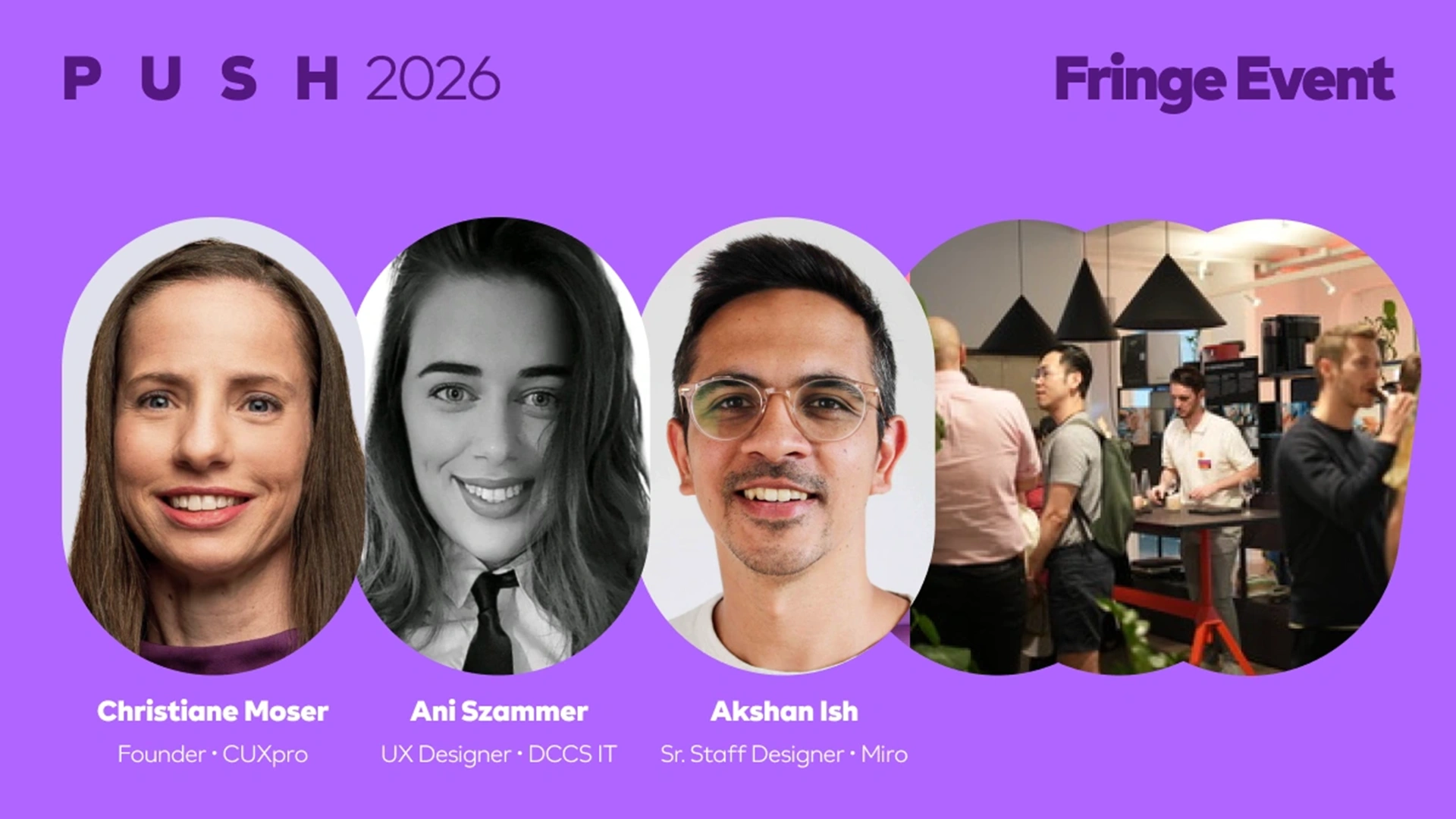
Last week, six of us from FLUID went to PUSH UX Conference 2026 in Munich. We joined a variety of talks and came back with different takeaways, but one question kept coming up: now that AI lets us build almost anything, what is actually worth building, and what does good design still depend on? Here's what each of us took home.
Roman - Craft is the answer to average
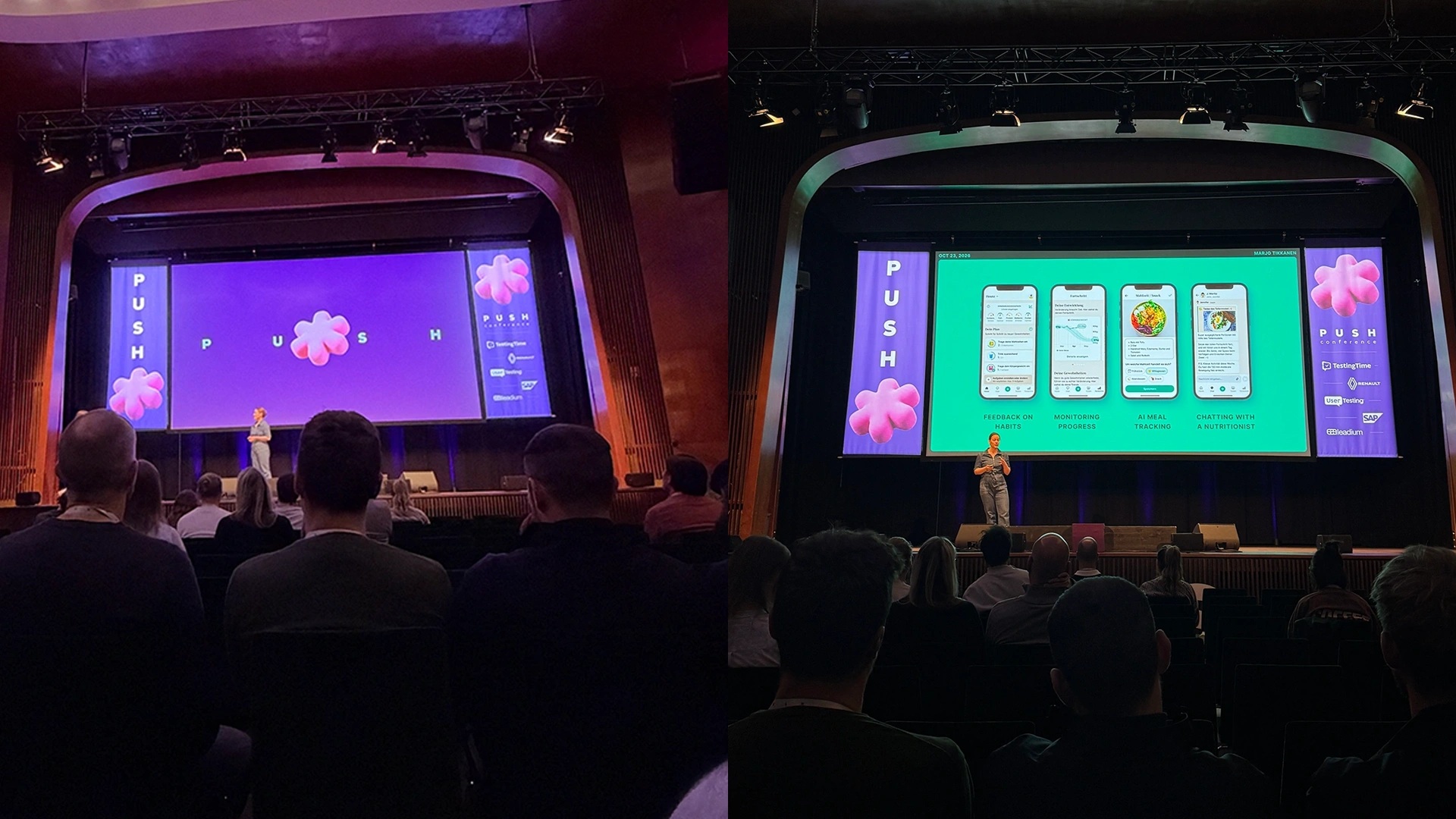
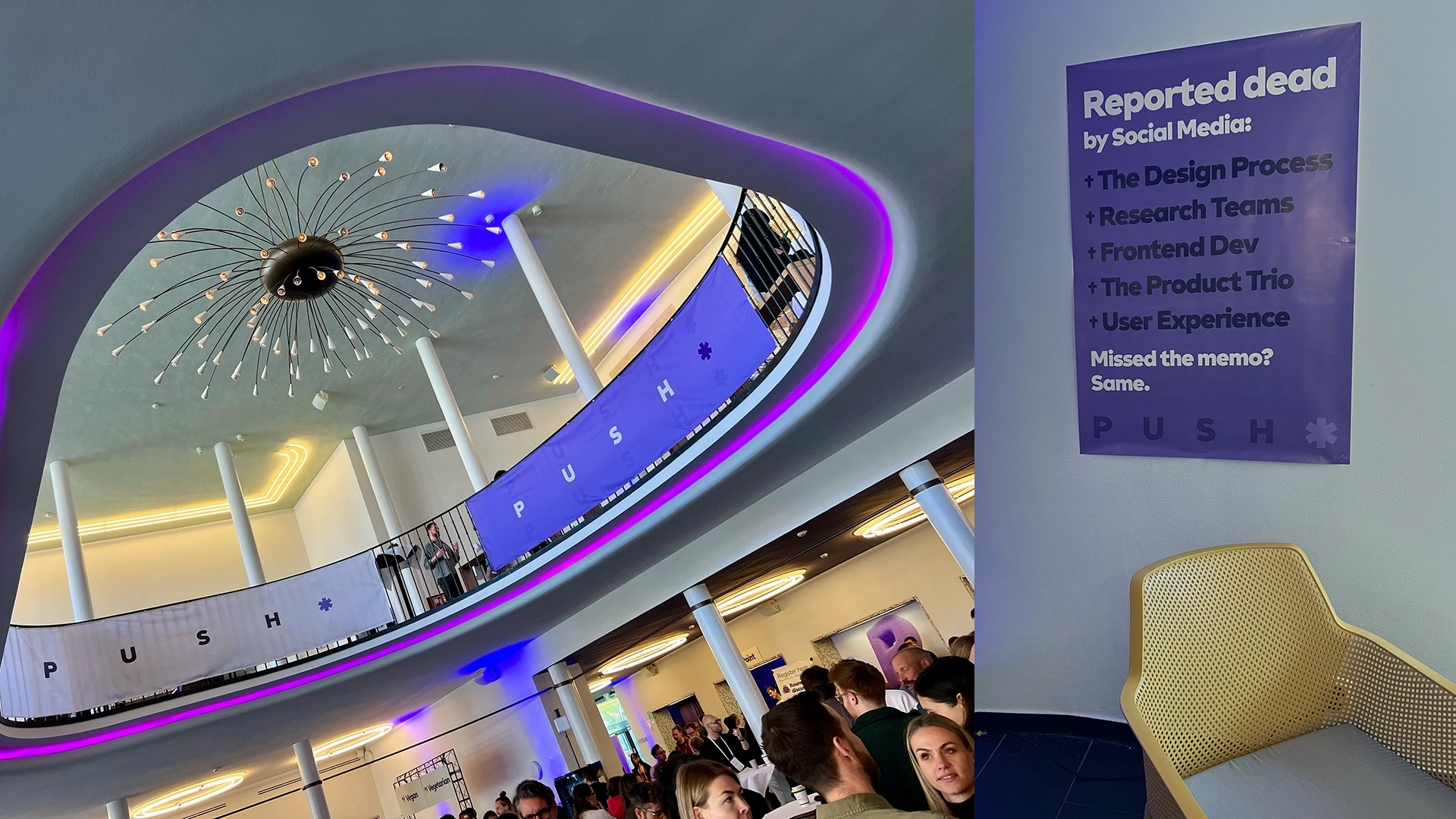
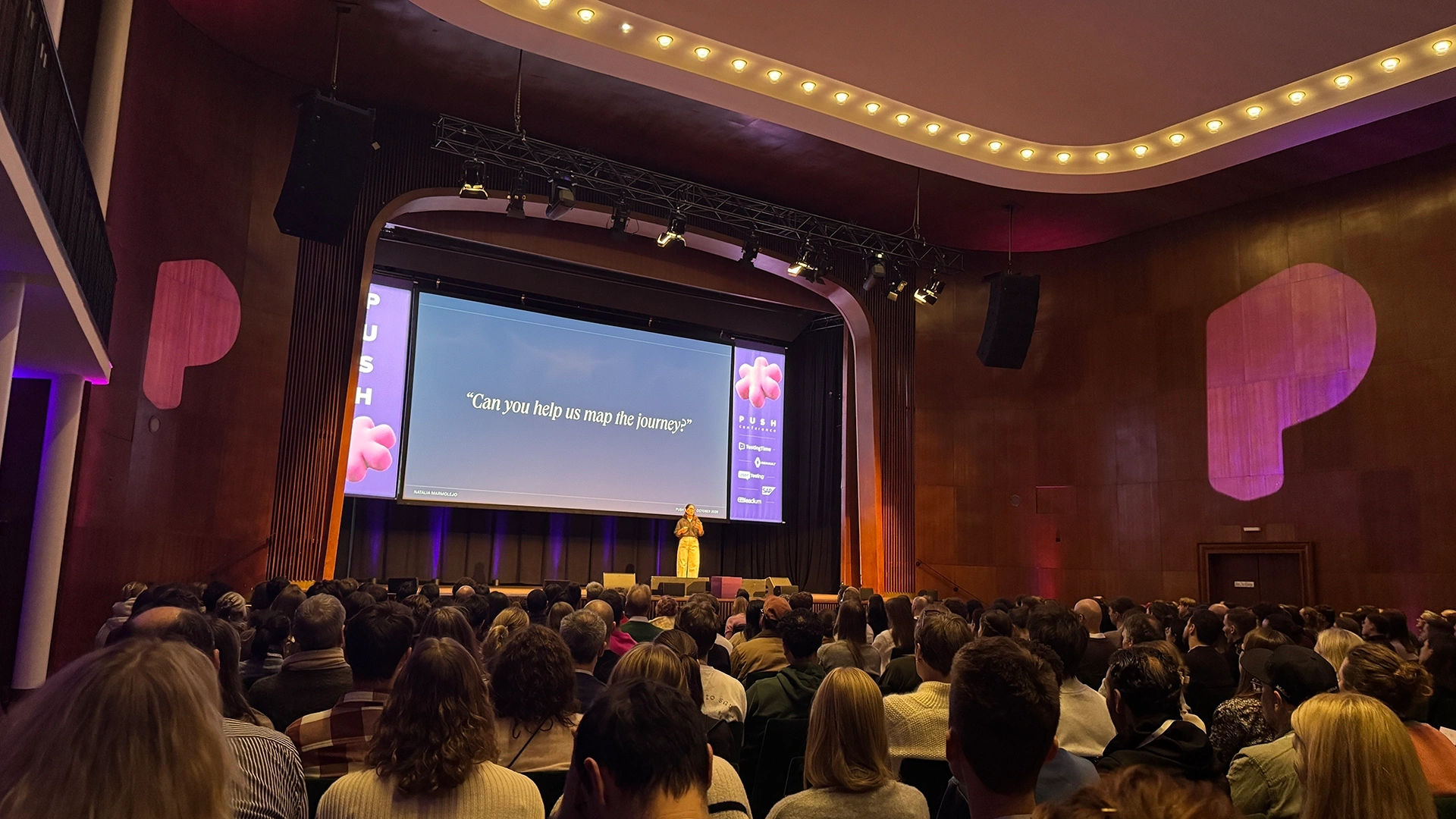
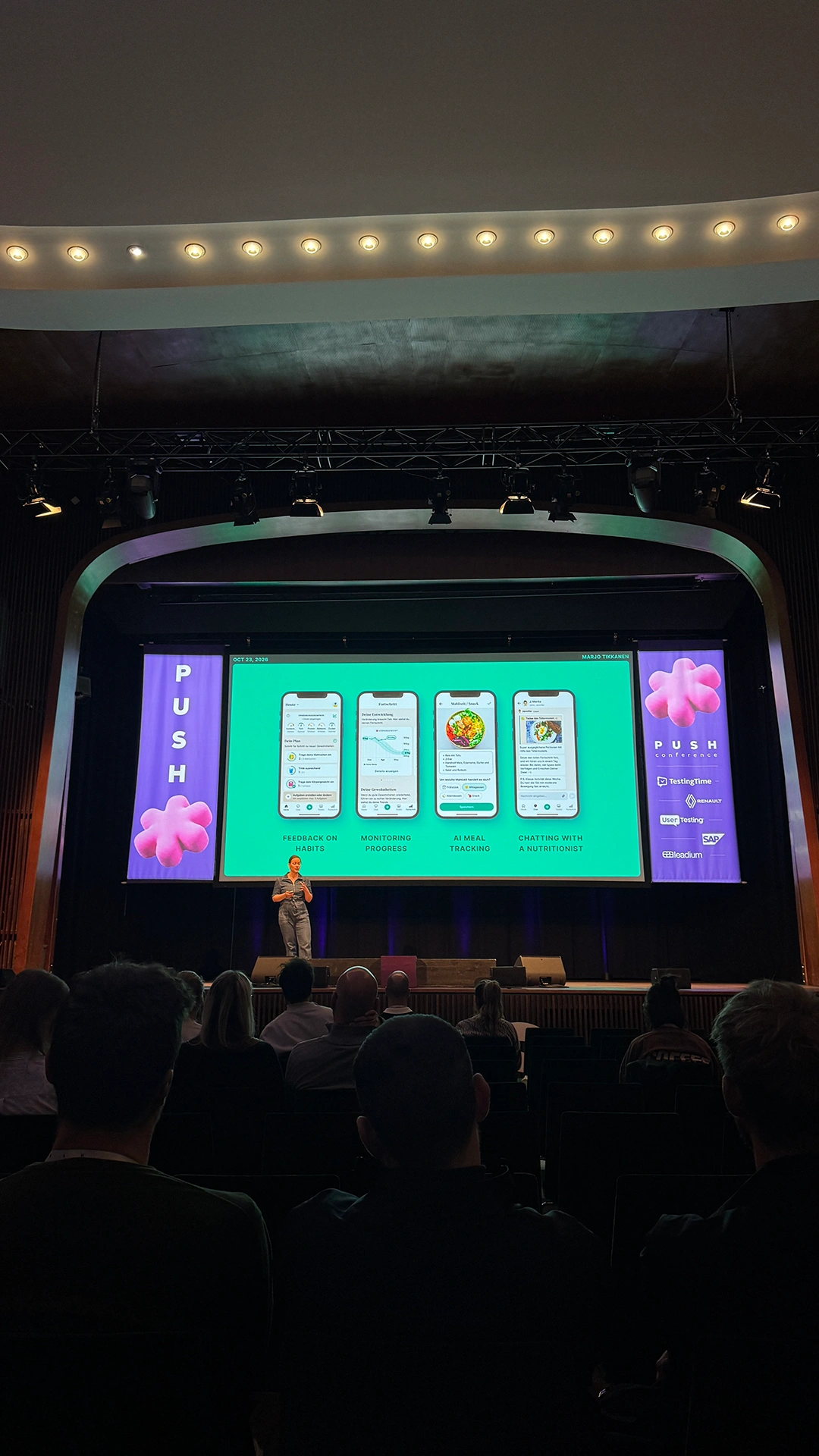
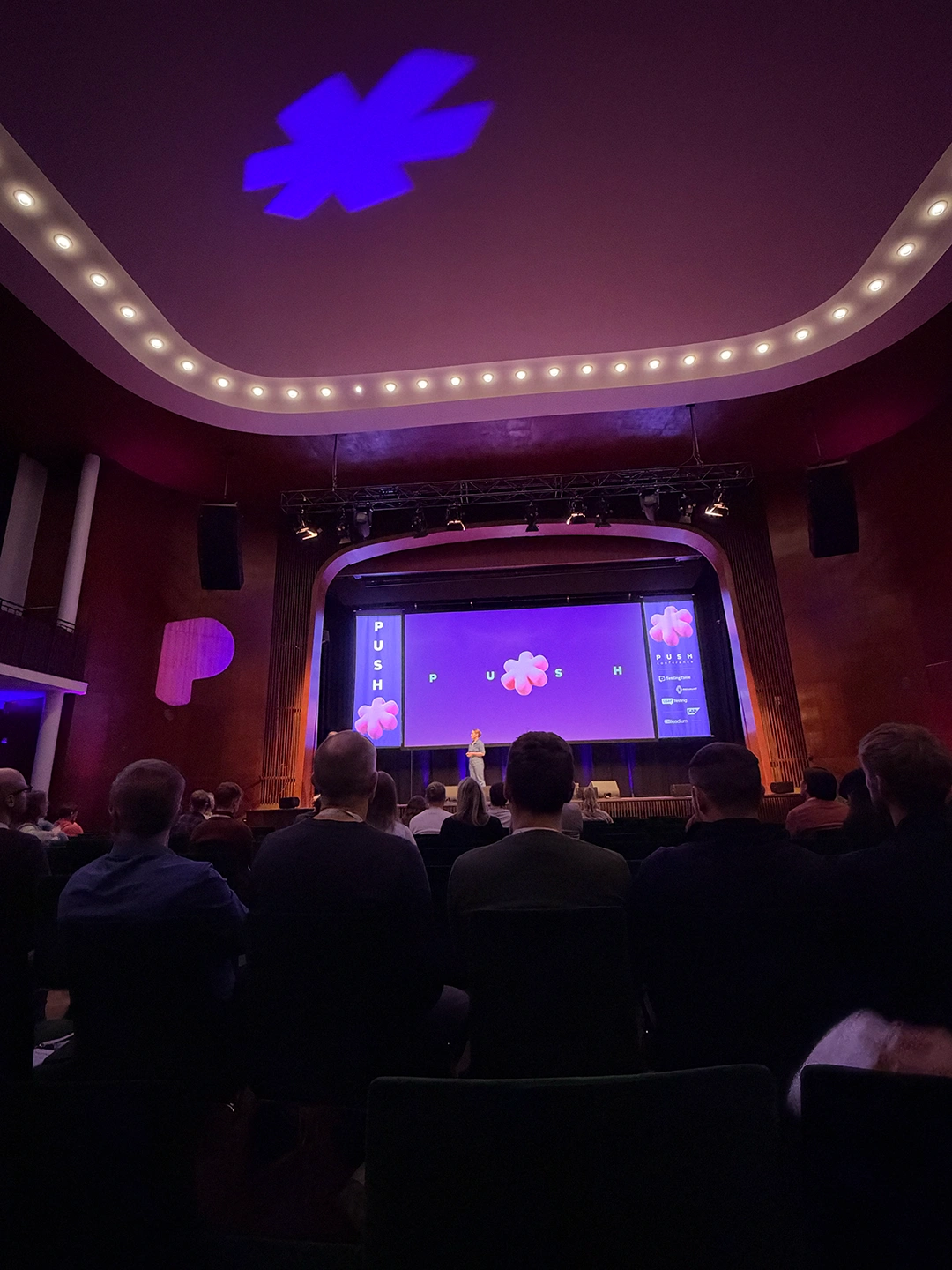
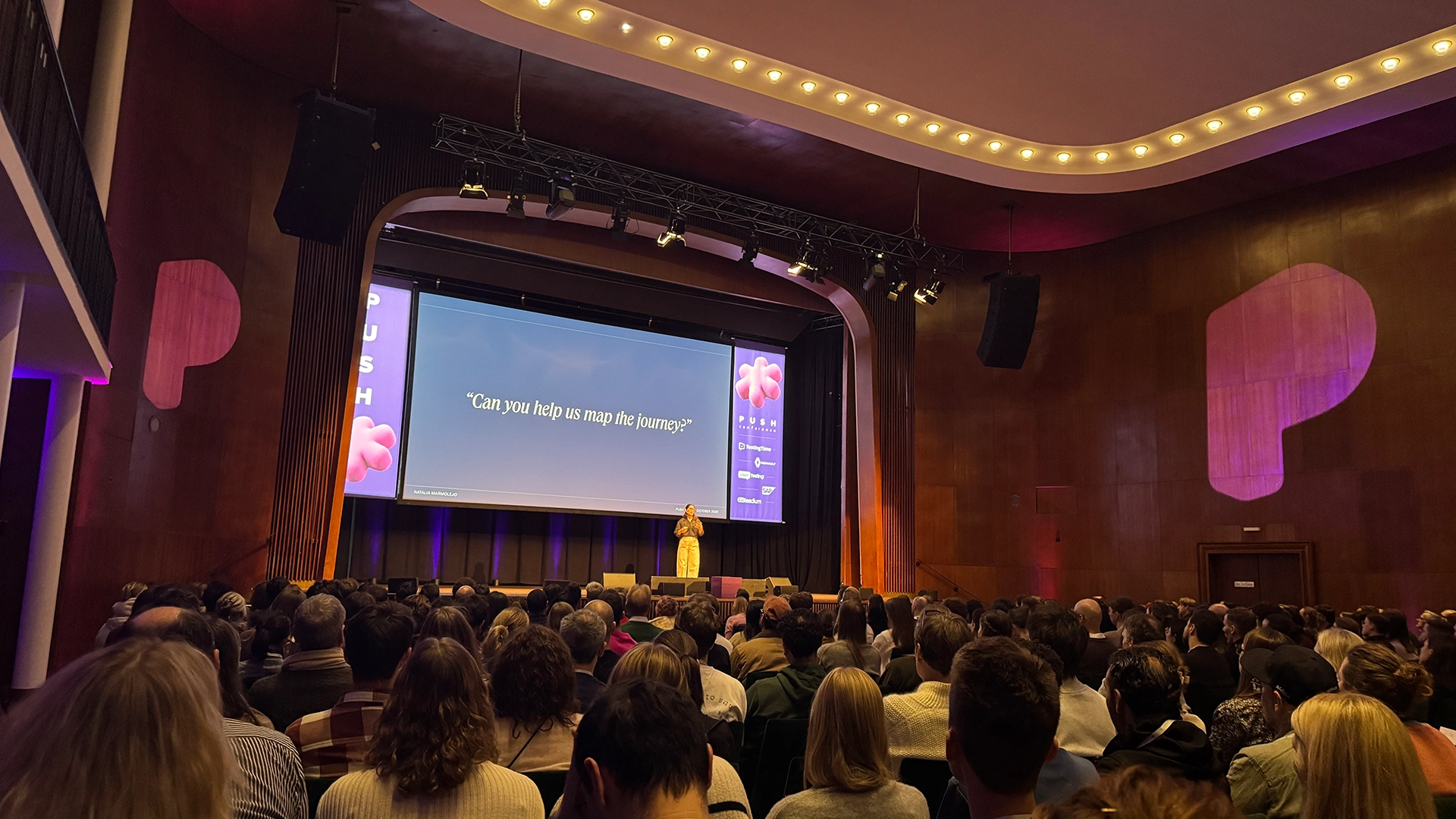
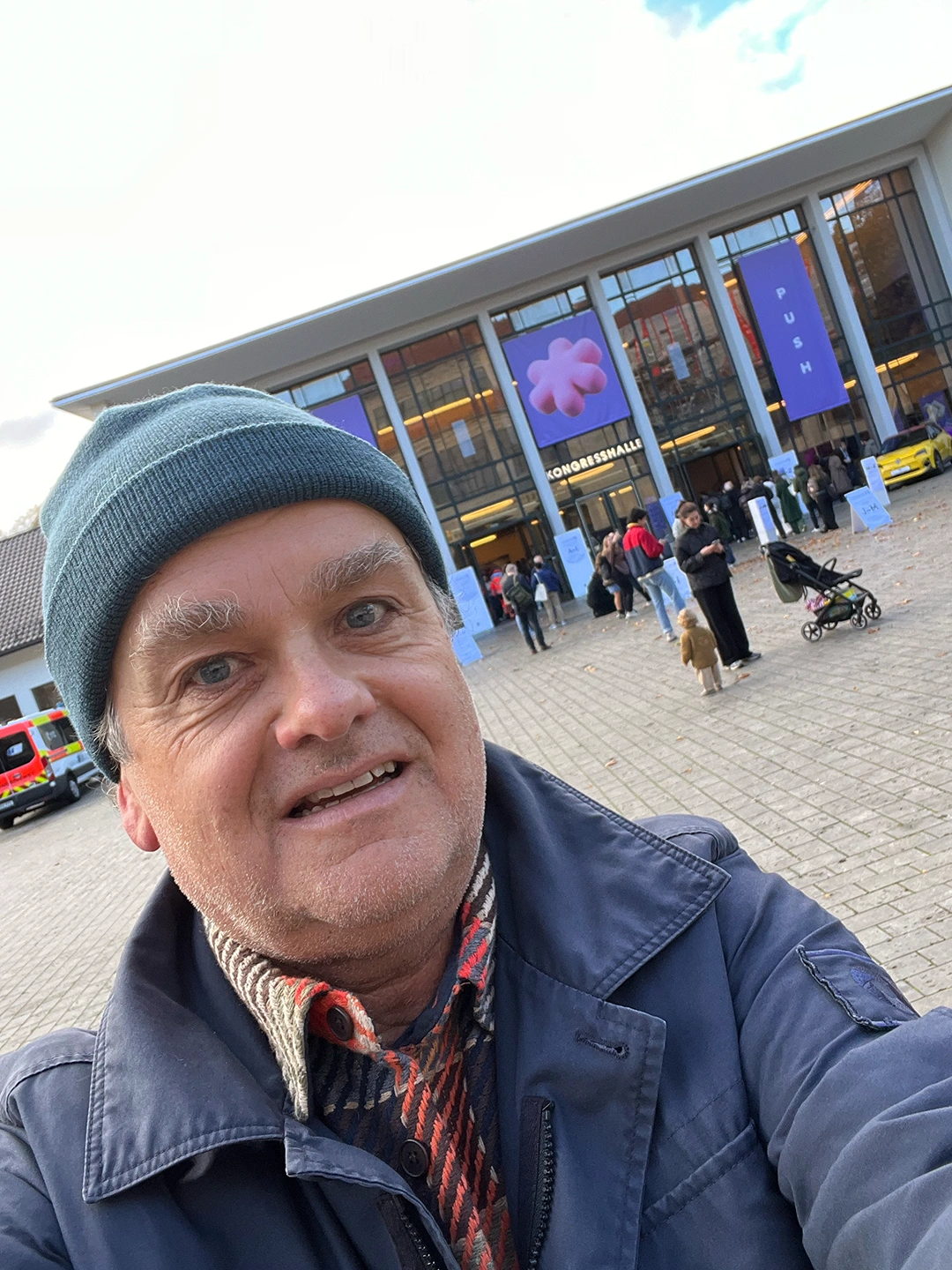
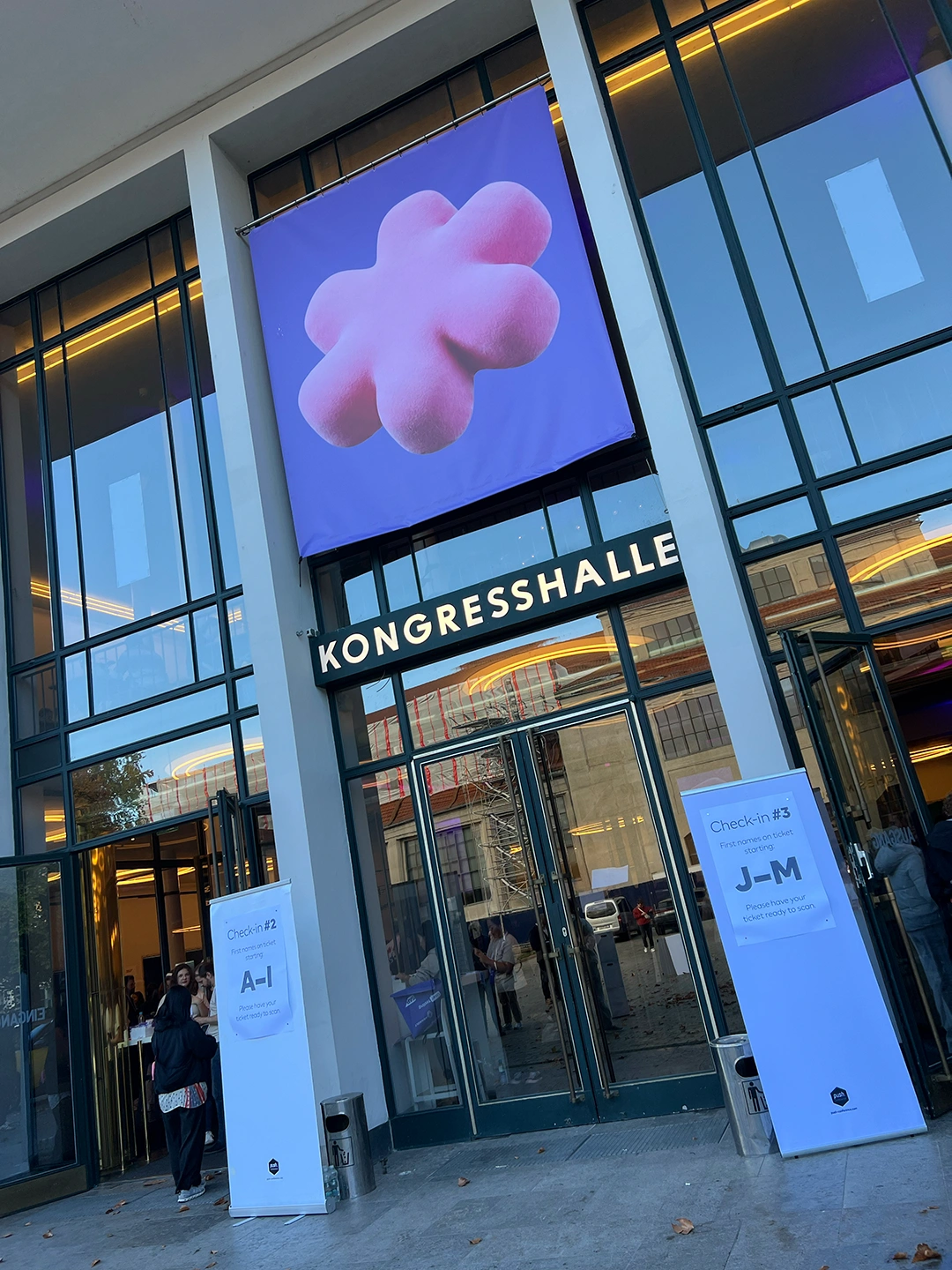
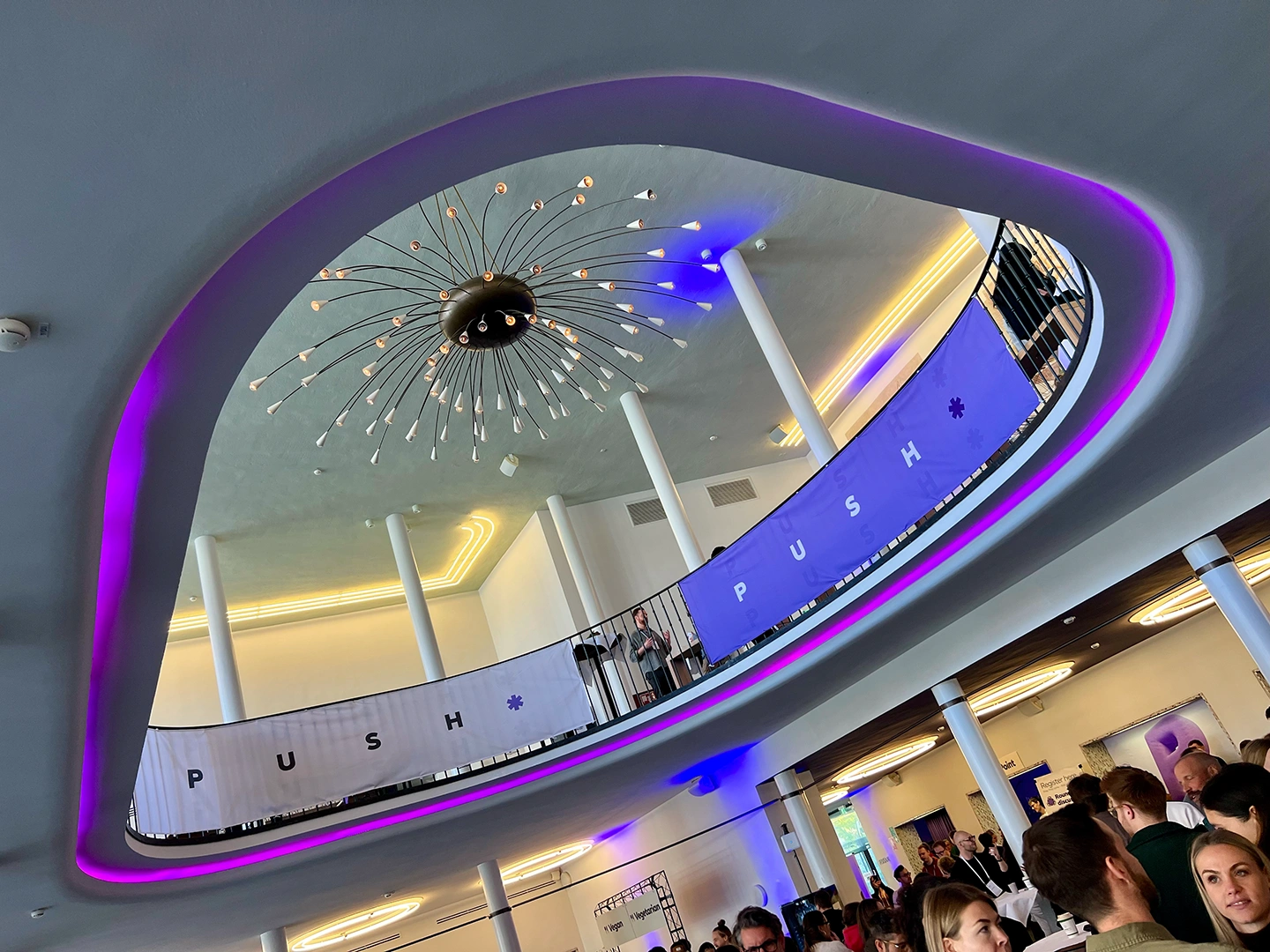
I was there on the opening morning. The room was full of creative energy, much of it driven by technology, but also uncertainty about what the AI wave means for all of us. As always, the PUSH team ran a beautifully organised event, in the stylish 60s „Alte Kongresshalle“ venue with its warm atmosphere.
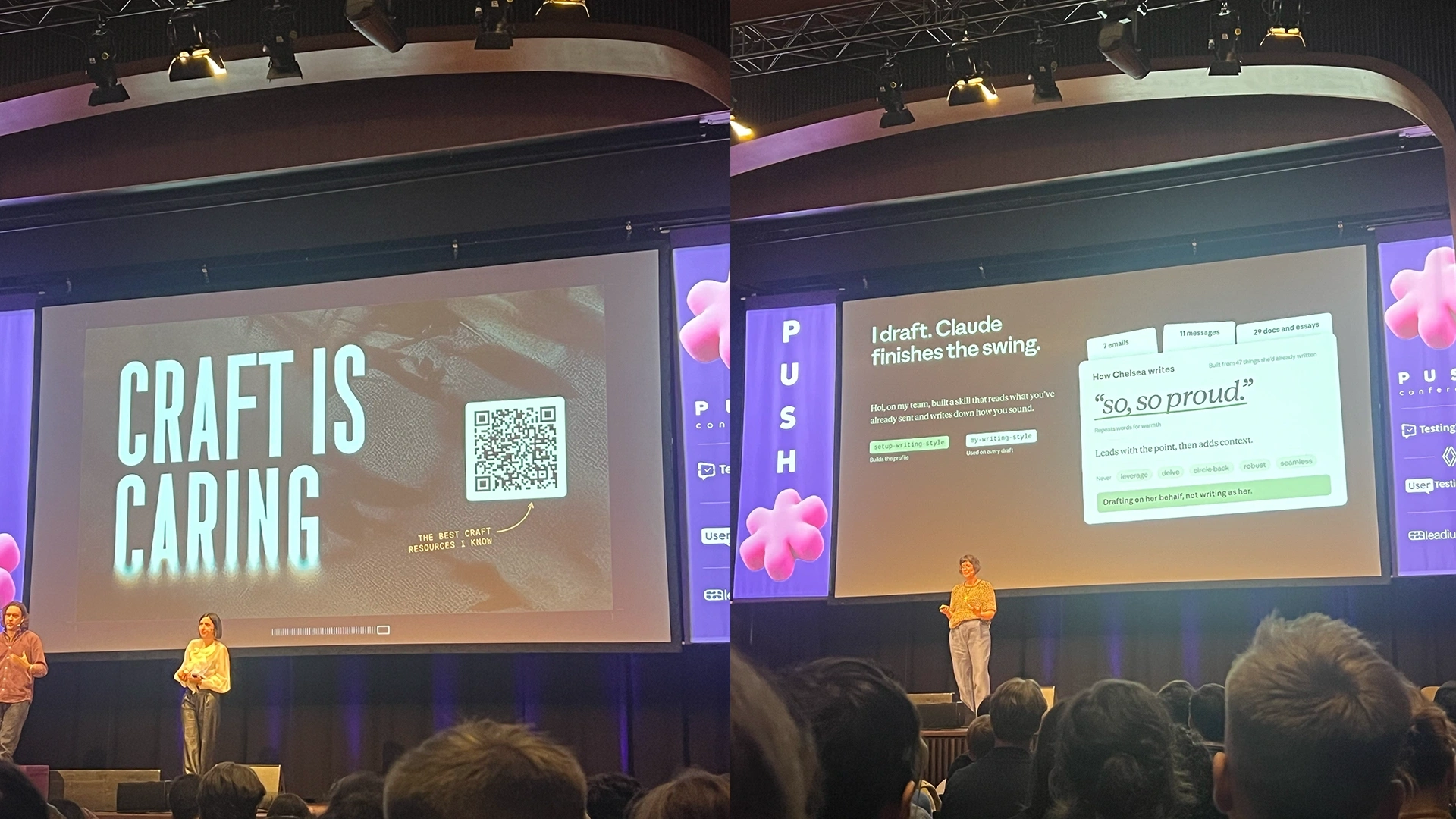
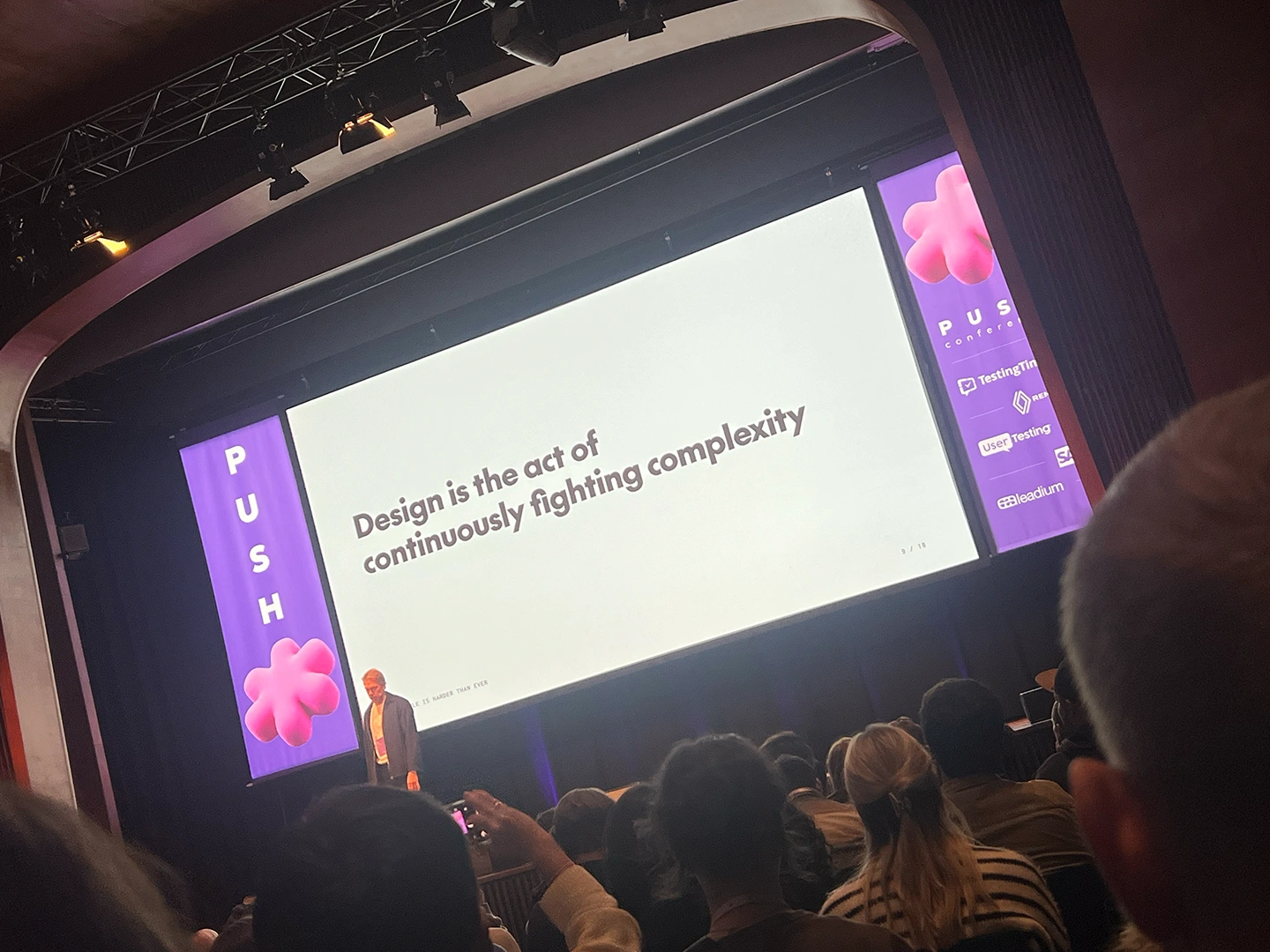
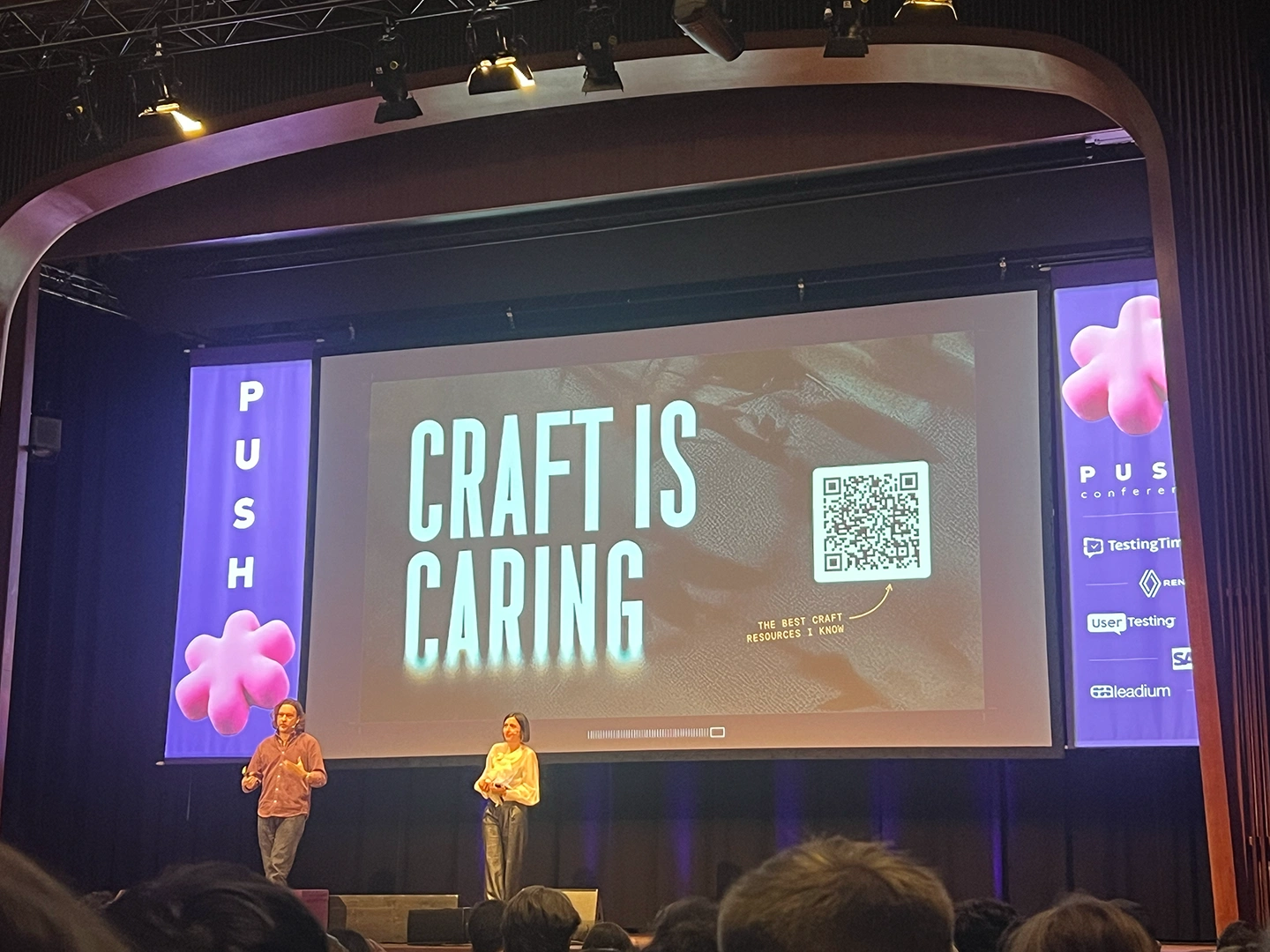
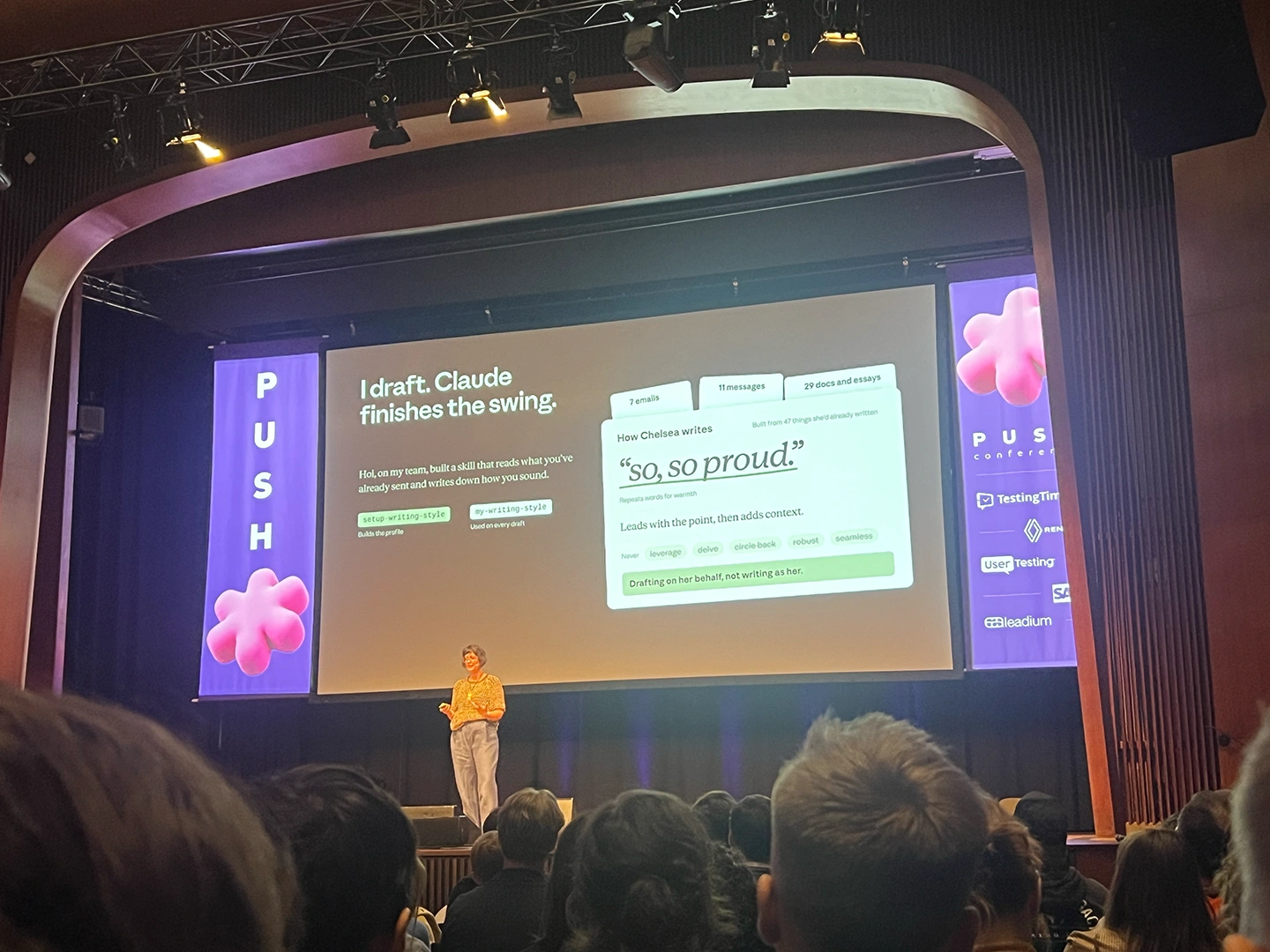
Kris Hedstrom (On Running) made the case for simplicity in the AI age. My highlight was Kevin Cannon (Superhuman) on craft: the skill we as designers need to keep alive and evolve, especially now that AI pushes everyone towards average solutions. I wrote about this in Are we designing our way into a visual limbo? Chelsea Larsson (Anthropic) showed how she practises that same craft with words, shaping how people experience LLMs like Claude.
At the round table "Redefining the Role of the Design Leader", hosted by Stan Reimgen (Qonto), leaders from BNP Paribas, IKEA, Miro and others discussed what creative teams need now, and how to lead teams that are part human, part AI. Plus good conversations with familiar faces and new ones.
Mariaserena - Shaping the future of product, together
What stayed with me most was the vibe. PUSH brought together people from across the product world, not just UX designers but also PMs and engineers, and you could feel that we were all there to shape the future of product together.
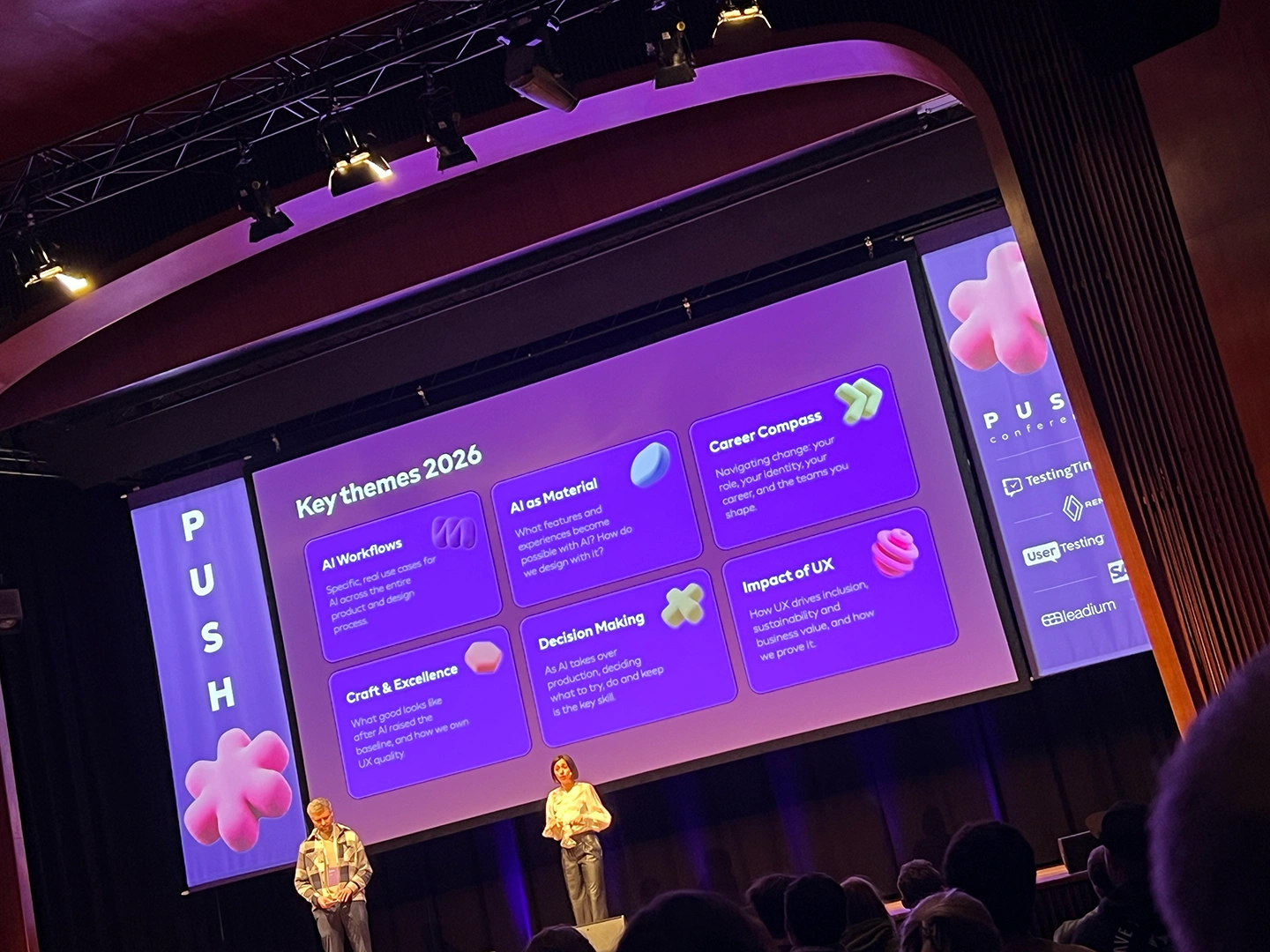
Three themes ran through the talks for me, and I'm taking a first answer home for each:
1. AI in the product development process. What changes when development is no longer the bottleneck? My takeaway: be intentional about when to use AI and when not to.
2. The product trio. The lines between PMs, engineers and designers are blurring. Prototypes are becoming the common ground where the trio makes decisions together, and that means realistic, interactive prototypes with meaningful content, not just Figma screens. To work well in that setup, designers need to become more strategic, learn the language of the other disciplines and build domain knowledge beyond their own role.
3. Product impact. How do we make sure what we build actually matters? Define what impact means, understand the why behind every decision, and design with intent.
Laura - Just because you can build it doesn't mean you should
Now that almost anything can be built with AI, the bottleneck has shifted. We have to think even harder about what actually should be built and what users really want and need. Paavan Buddhdev, designer at Granola, made this tangible. He described how his team removed features that didn’t feel right or that users simply didn’t need, bringing up the following quote: “Learning with AI that good design is ultimately thoughtful deletion”. That makes testing with users more essential than ever, and it means watching what users actually do, not just listening to what they say.
Dominic - Question the structures, not just the screens
What stuck with me was how much of the customer experience is decided before people ever touch the product. As designers we always talk about understanding people and their needs. But how often do we look at the institutions that create those needs, or that prevent them from being met?
Several talks made me realise how easily we accept existing structures as given, and then put all our energy into making them easier to use. Maybe we should spend more time asking why those structures exist in the first place. That's where design gets really interesting: not only making things better to use, but challenging the conditions that create those experiences.
Dan - Design depends on how we treat people
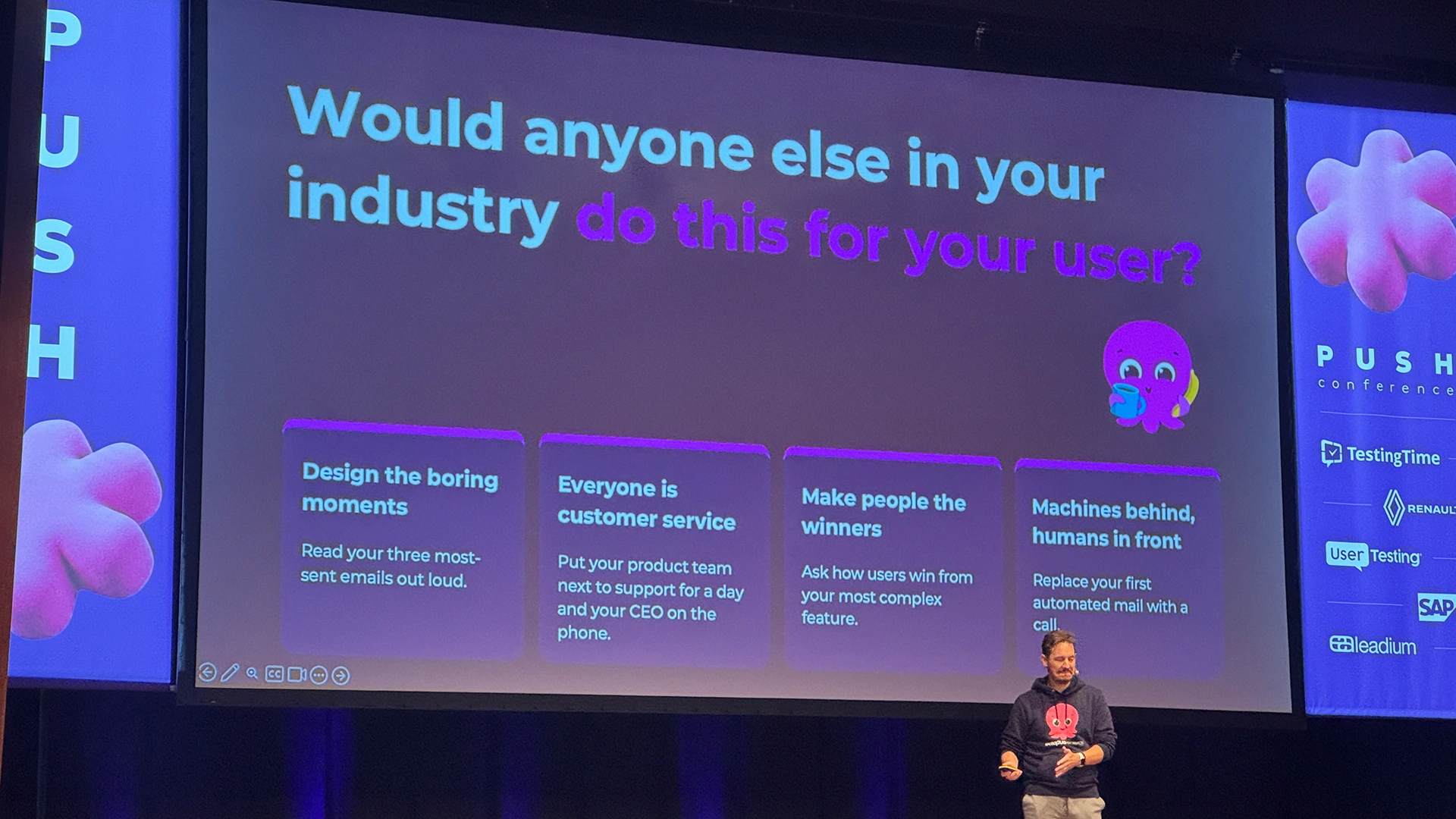
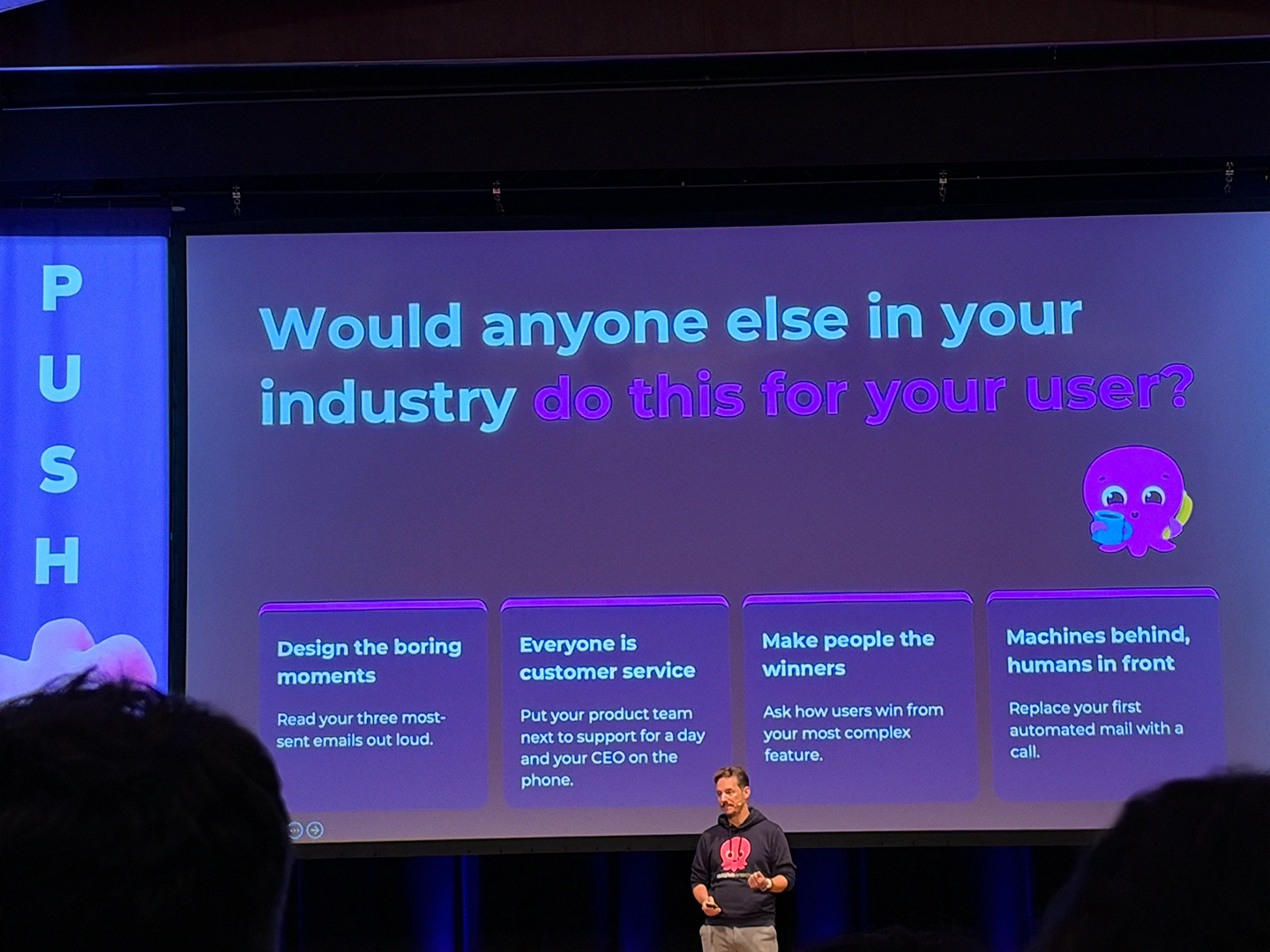
What inspired me most was how much design depends on the way we treat people. Clear communication builds trust. The relationships we build help our ideas move forward. And when employees have the freedom to make decisions out of care, an ordinary interaction can turn into something memorable.
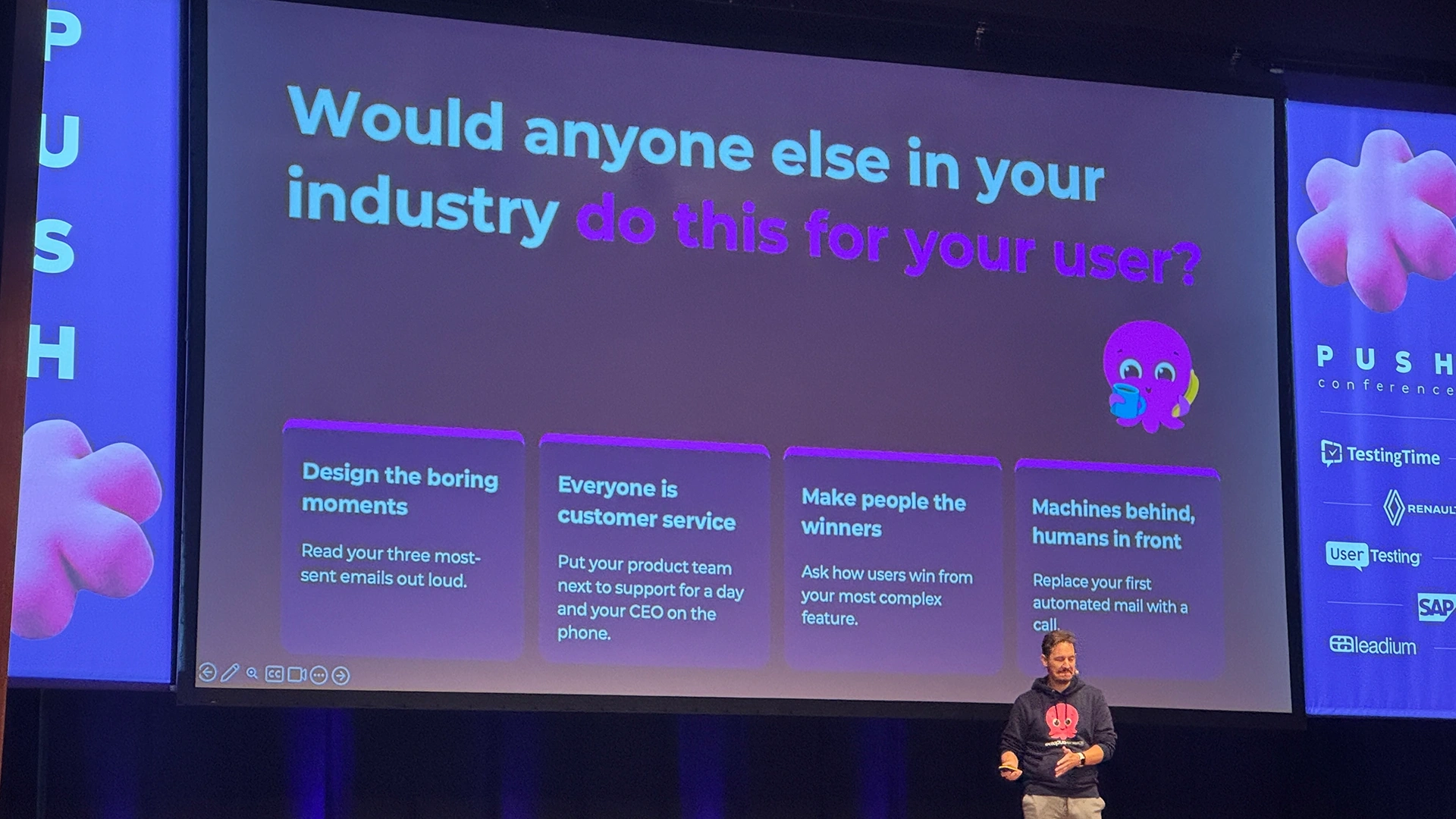
The Octopus Energy talk brought all of this together. Even in an industry people rarely get excited about, you can give them a reason to love your company. I left asking myself where I could always do a little more than people expect.
Alessandra - A newcomer's view
It was reassuring to be among professionals who share the same core interest: finding their way in a new, AI-driven design world.
As a newcomer, I don't have an old process to unlearn. My design education already integrates AI extensively, and I'm very glad about that. What struck me more is that what matters now is a new way of thinking. Everyone is restructuring their workflow and has to adapt quickly. I also noticed a recurring split: people tend to focus either on the human factor, such as emotions, or on effectiveness in the market.
What we're taking back to FLUID
Six people, six angles, one shared conclusion: AI makes building faster, but it doesn't decide what's worth building. That still comes down to craft, to real user insight, to the courage to question the status quo, and to how we treat the people we design for and with. Thanks to the PUSH team for a great conference. See you next year.
Thinking about these questions for your own product? Let's talk.
Subscribe to our newsletter!

Copyright © FLUID Design GmbH — All rights reserved.