


More texture, more tactility, more AI - but less identity?
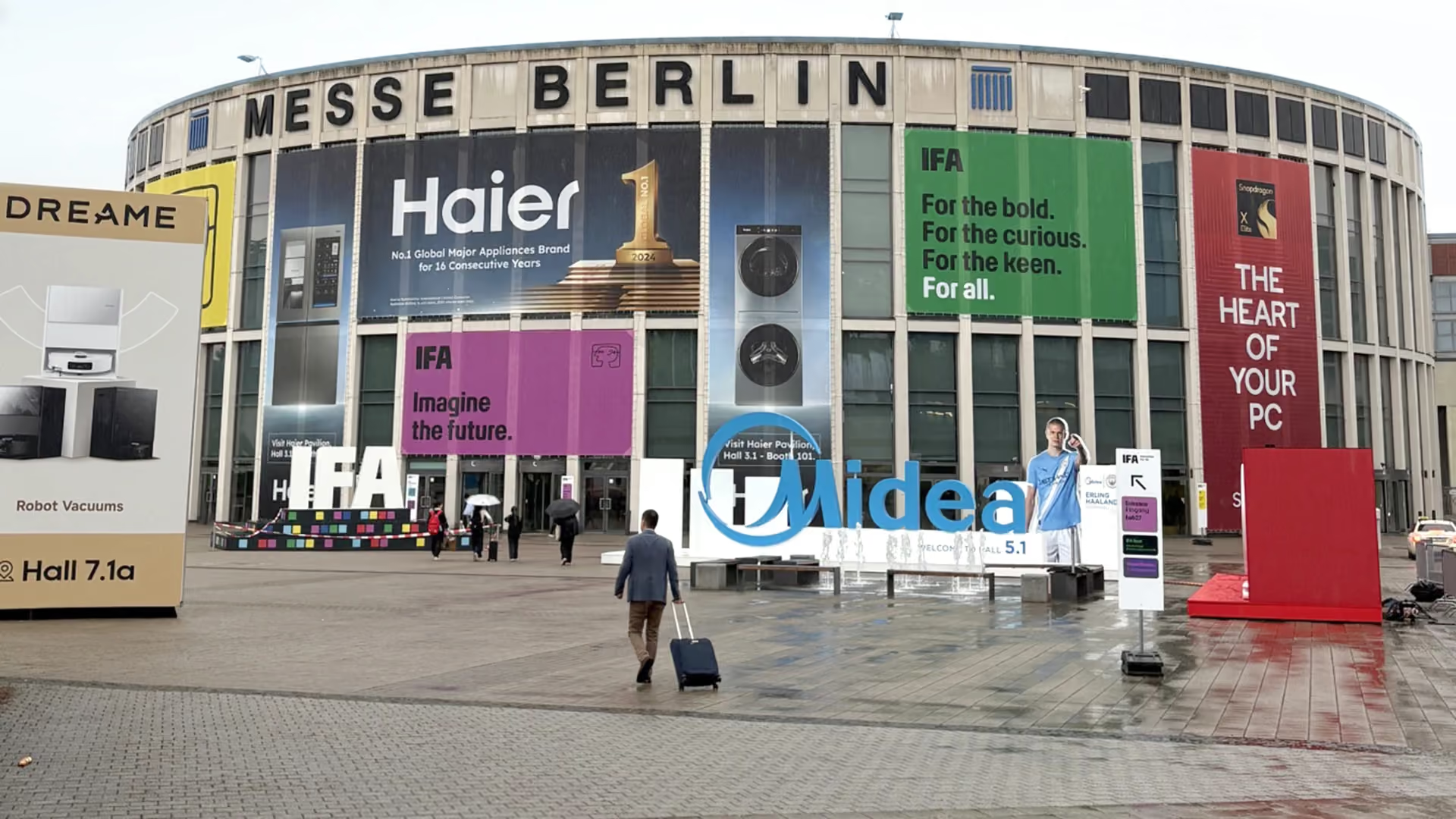
Walking through the halls of IFA this year, a few themes were impossible to miss:
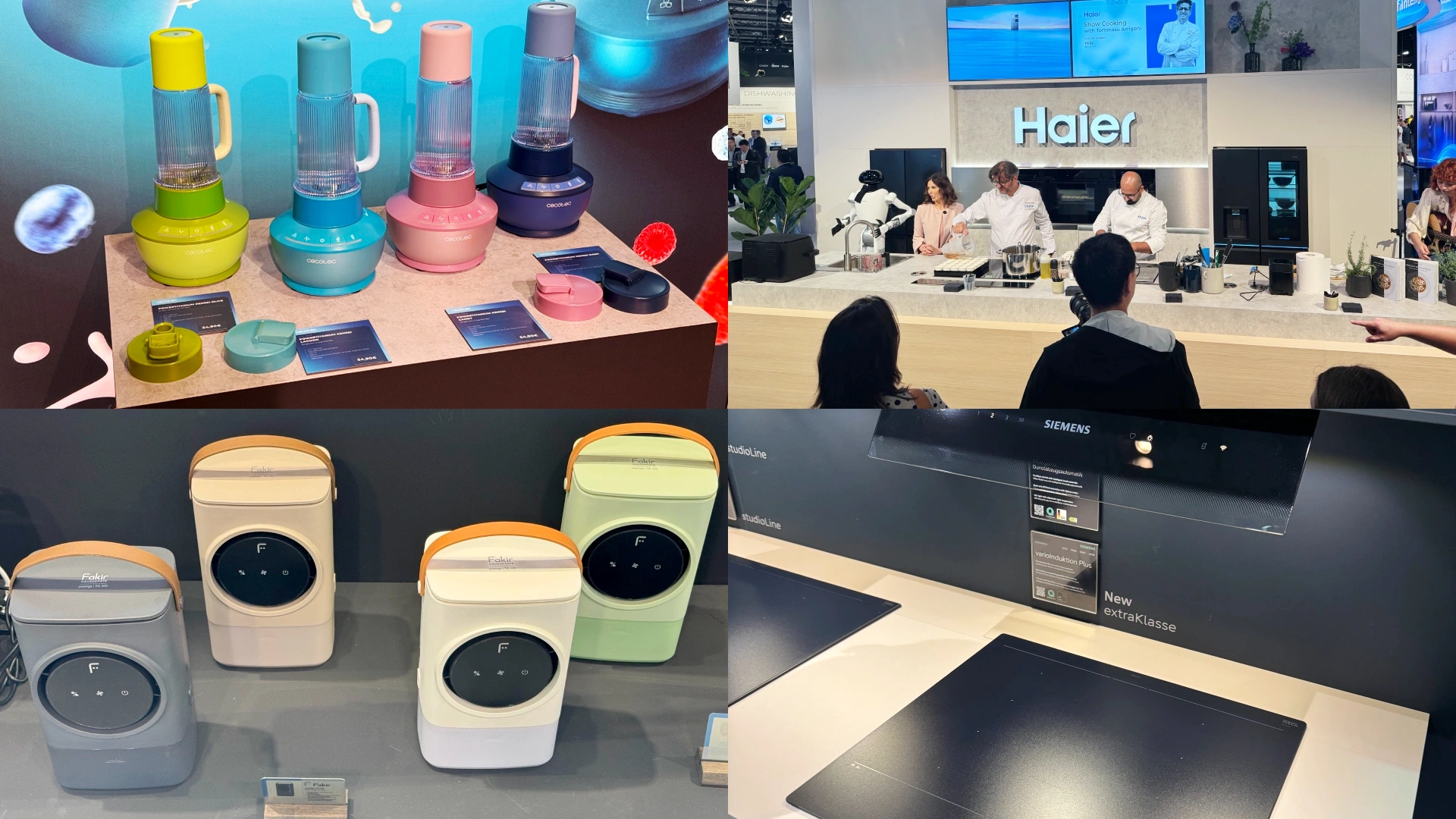
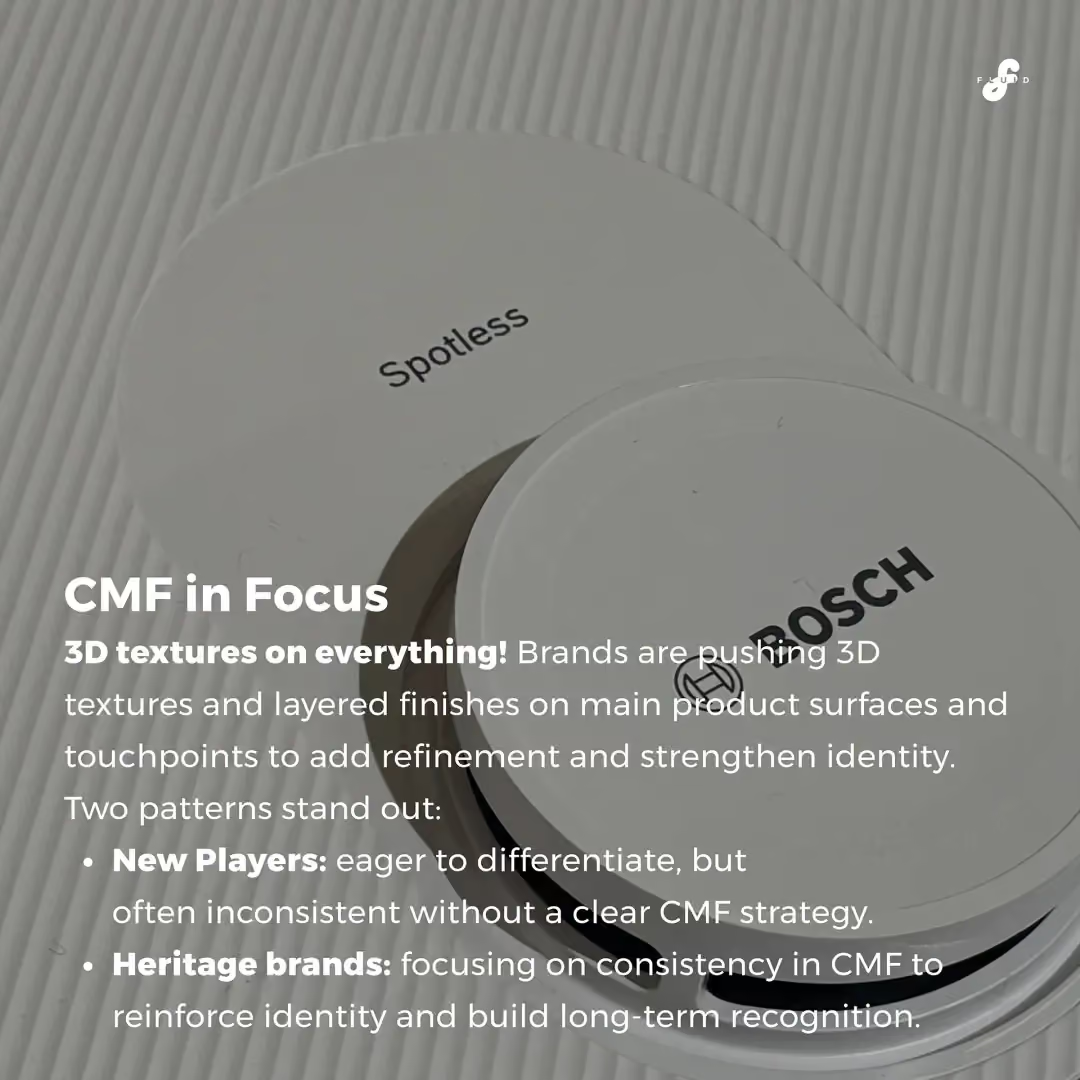
• Design languages from consumer electronics continue to bleed into white-goods: richer textures, more expressive colors and increasingly refined CMF strategies.
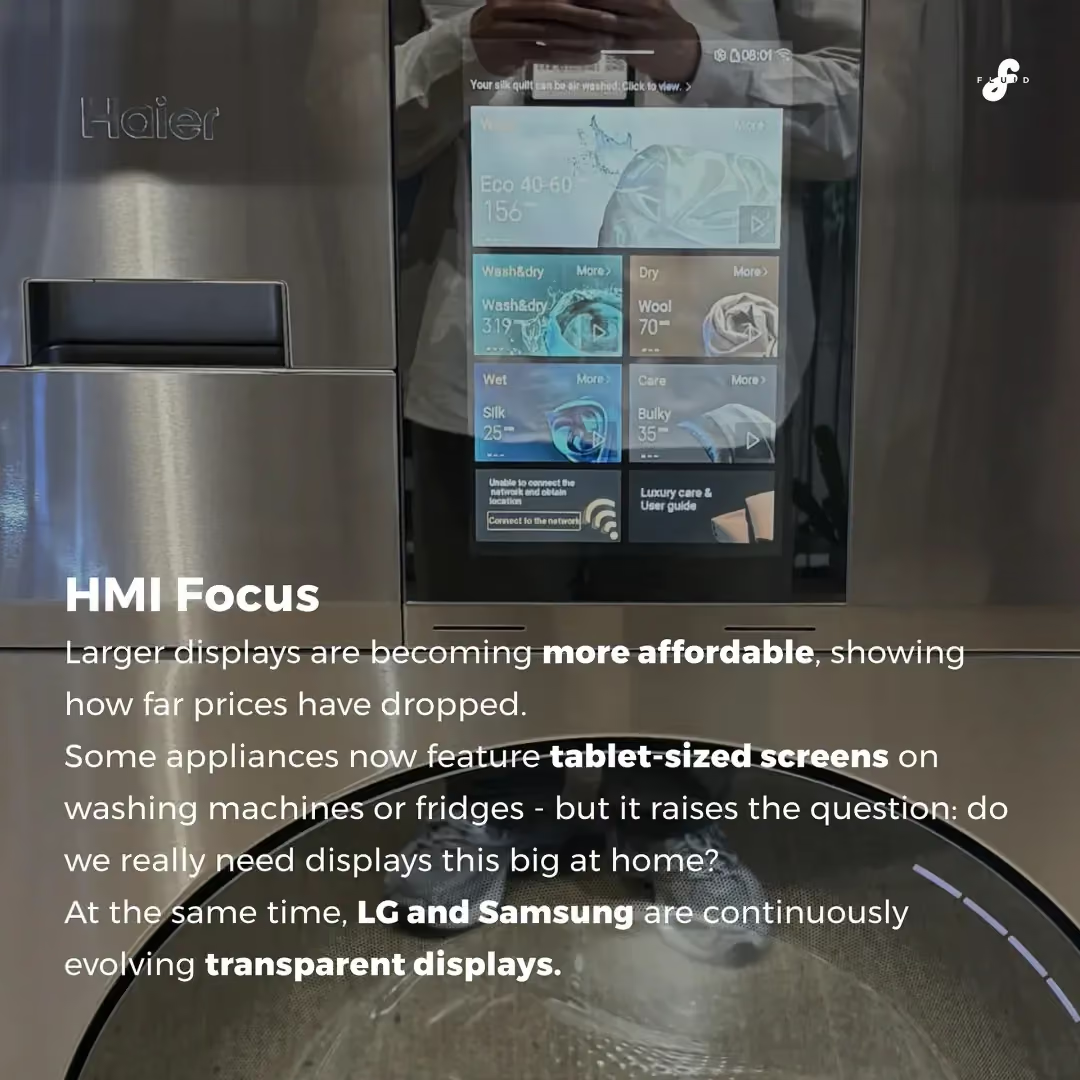
• Haptics have become as important as appearance. Products are no longer judged only by how they look, but by how they feel and interact.
• Matte is the new glossy - creating calmer, more sophisticated and increasingly tactile product experiences.
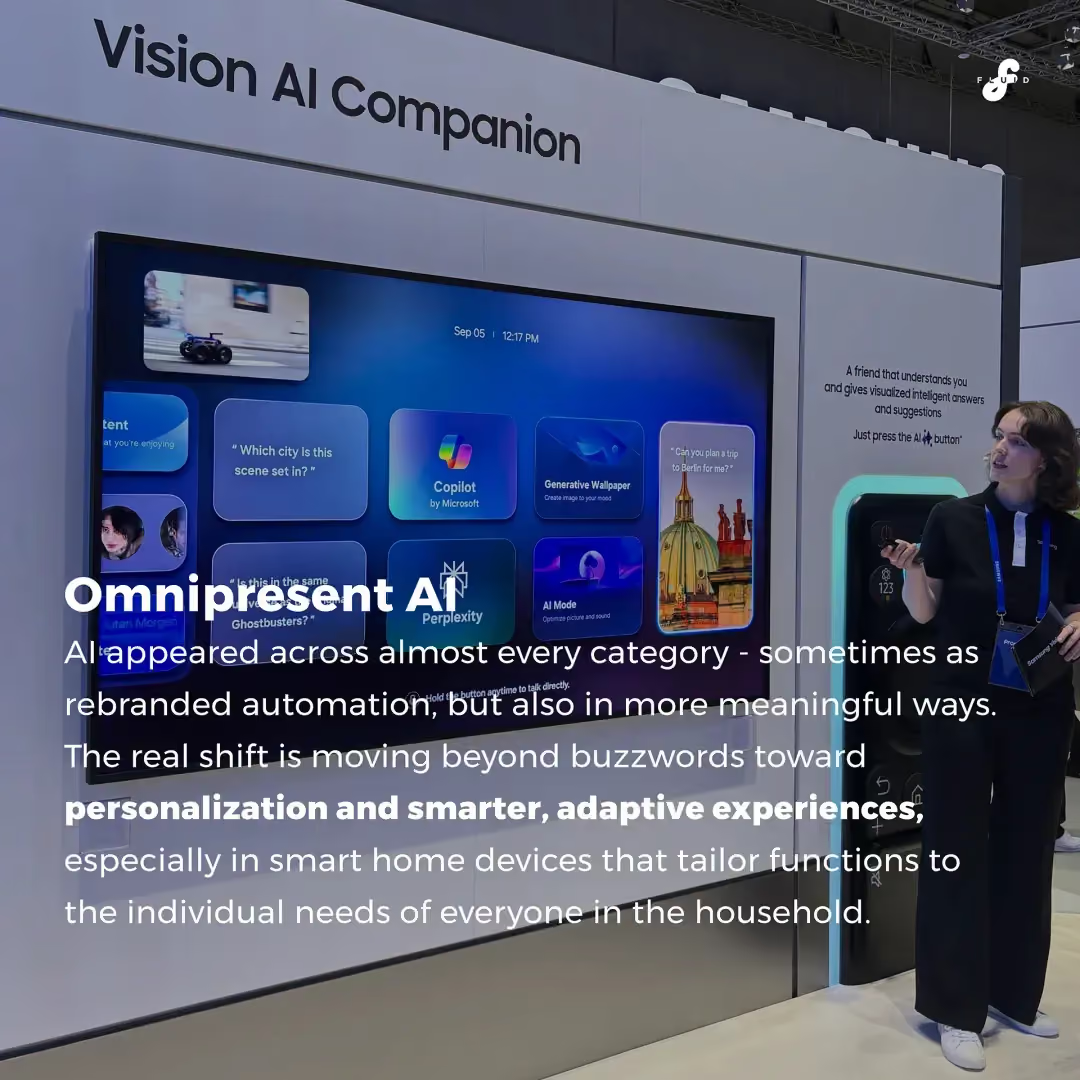
• And, of course, the obligatory AI integration.
But beyond the obvious trends, one thing stood out to us:
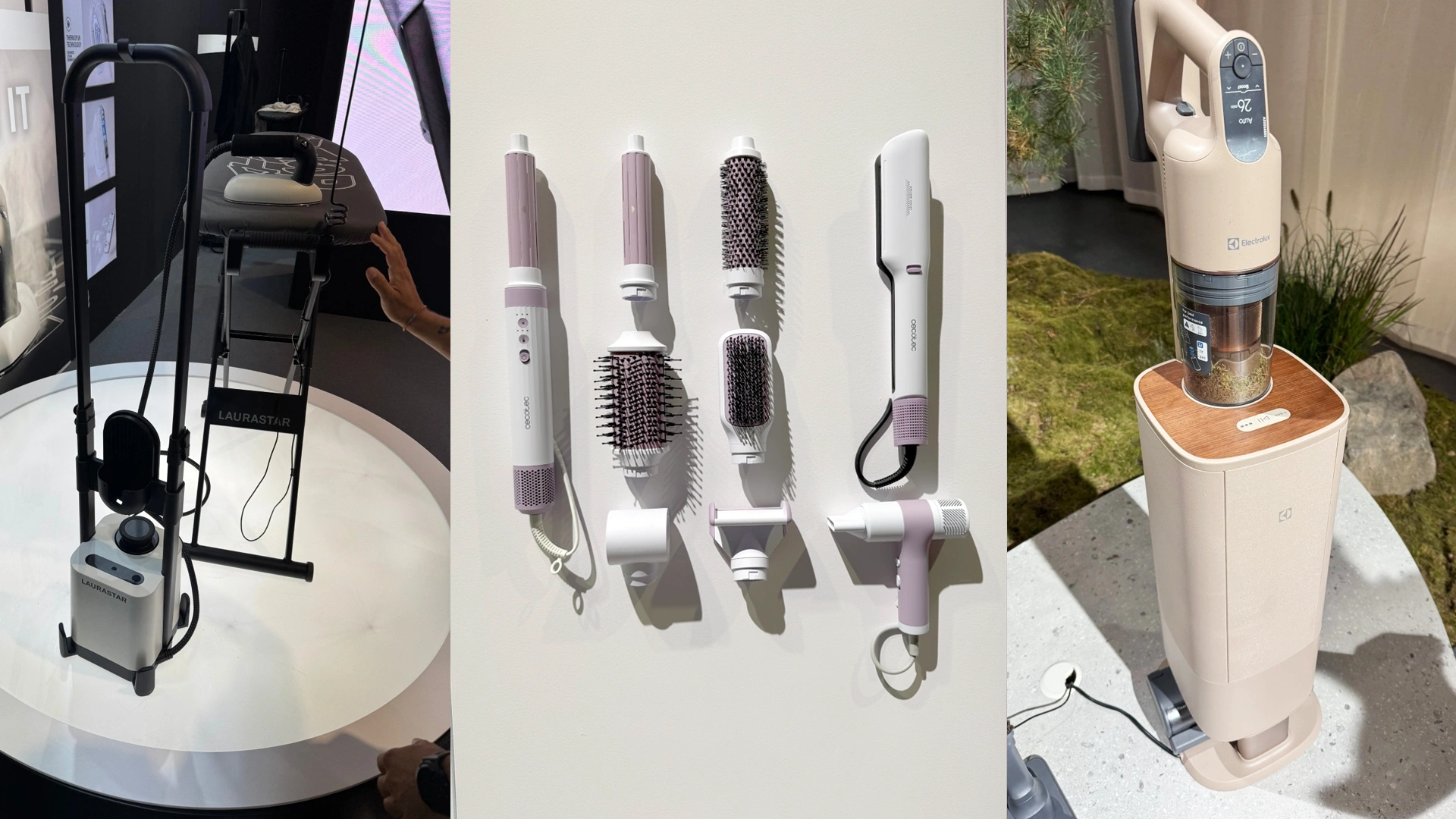
Some of the most exciting products at IFA did not come from the largest, most established brands. Instead, they came from smaller, less familiar players and ambitious challengers - brands willing to experiment, introduce new ideas and express a stronger point of view.
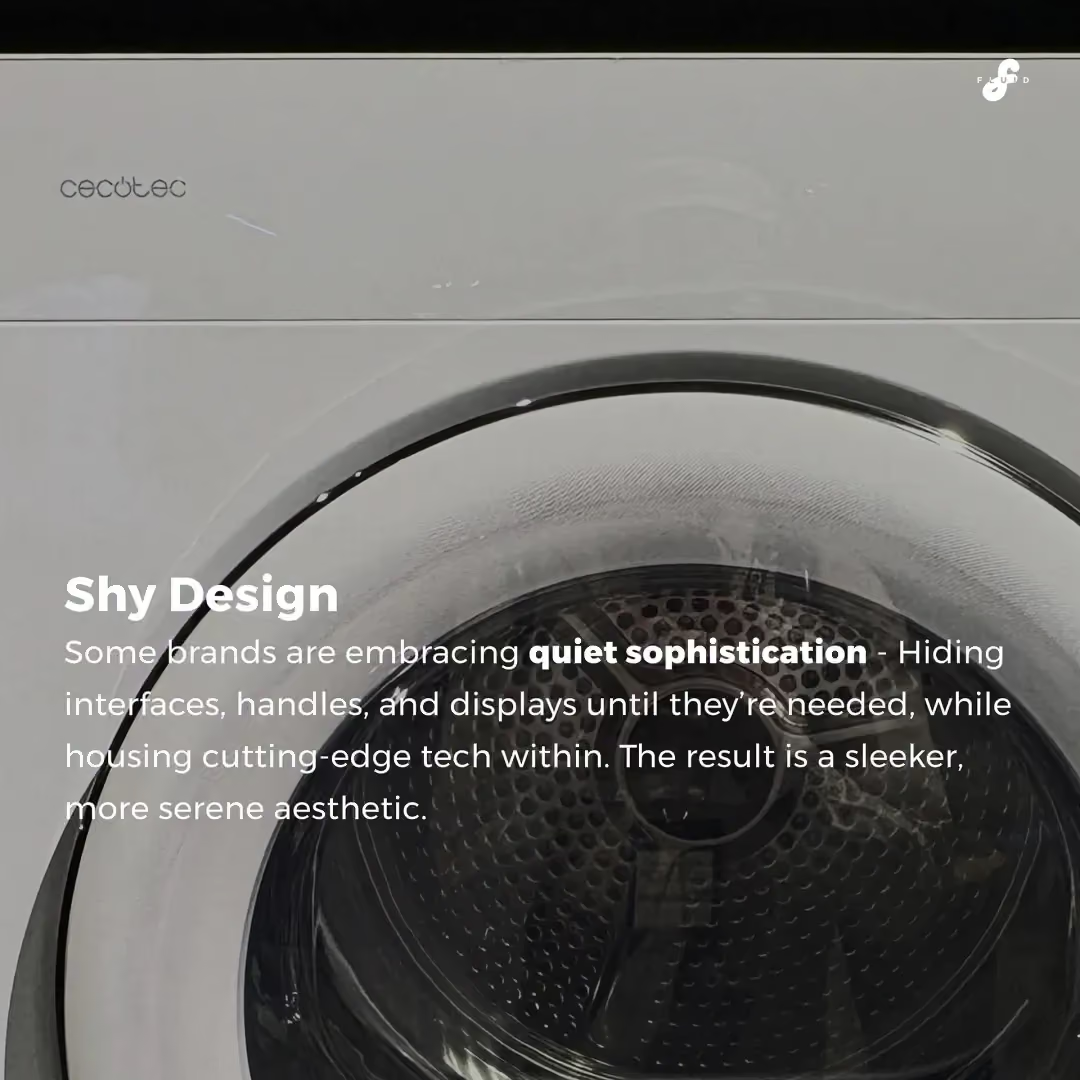
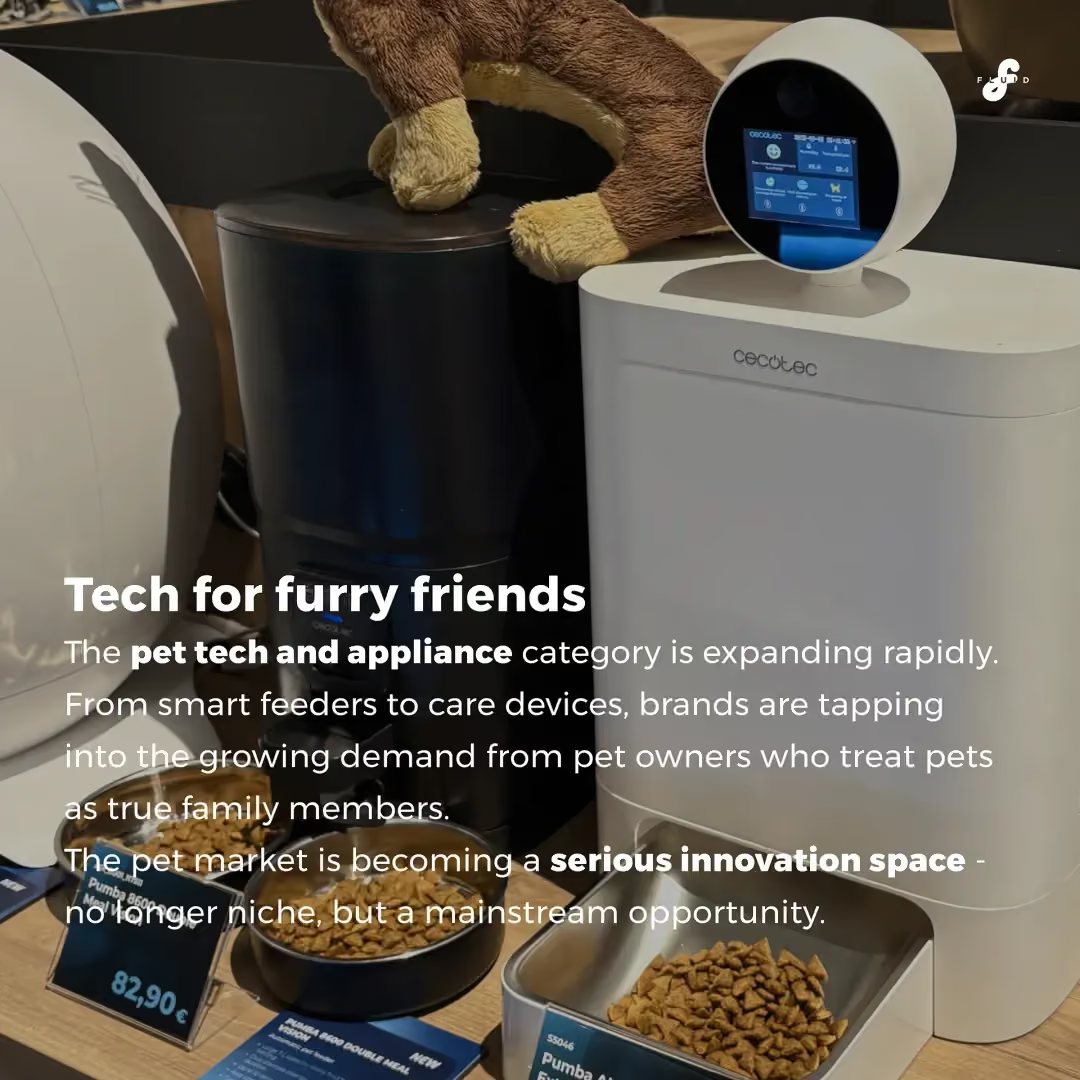
Companies like Cecotec, Fellow or challengers such as SharkNinja showed that innovation is not only about adding features. It is also about creating products with character, clarity and a distinct identity.And frankly, this is where IFA left us wanting more from some of the established players.
Too many new products on the show floor felt like incremental updates rather than genuine steps forward. Familiar forms. Familiar interfaces. Familiar features. A new finish here, another smart function there - but very little that made us stop and think: “That's different.”
Of course, large organizations face more constraints. Established technologies, complex portfolios, risk management and the expectations of existing customers all make radical change harder.And this doesn't necessarily mean there is a lack of innovation happening behind the scenes. It may mean that too little of that innovation is finding its way into the product experience - or is being expressed strongly enough for consumers to notice.
Because innovation should not simply mean doing more. It should mean thinking differently - and making that difference tangible.
Design has a major role to play in that.
In uncertain times, it can be tempting for brands to play it safe, look sideways and follow what appears to be working elsewhere. But this creates a dangerous cycle: brands converge, products converge, and ultimately the reasons for consumers to remain loyal converge too.Why should a consumer choose one washing machine over another if they increasingly look, feel and behave the same?
Uncertainty is not a reason to become less distinctive. It is a reason to become more distinctive.
This is the moment for brands to use product design, innovation and technology to make a clear statement about who they are - rather than simply keeping up with everyone else.IFA 2026 reminded us that there is still plenty of appetite for new thinking.
The question is whether the established players are willing to take the risks necessary to make that thinking visible - and meaningful.Because in the end, the most interesting products aren't necessarily the ones with the most features.
They're the ones that give us a reason to care.

Subscribe to our newsletter!

Copyright © FLUID Design GmbH — All rights reserved.