


FLUID at MCBW 2026 at the IHK Munich
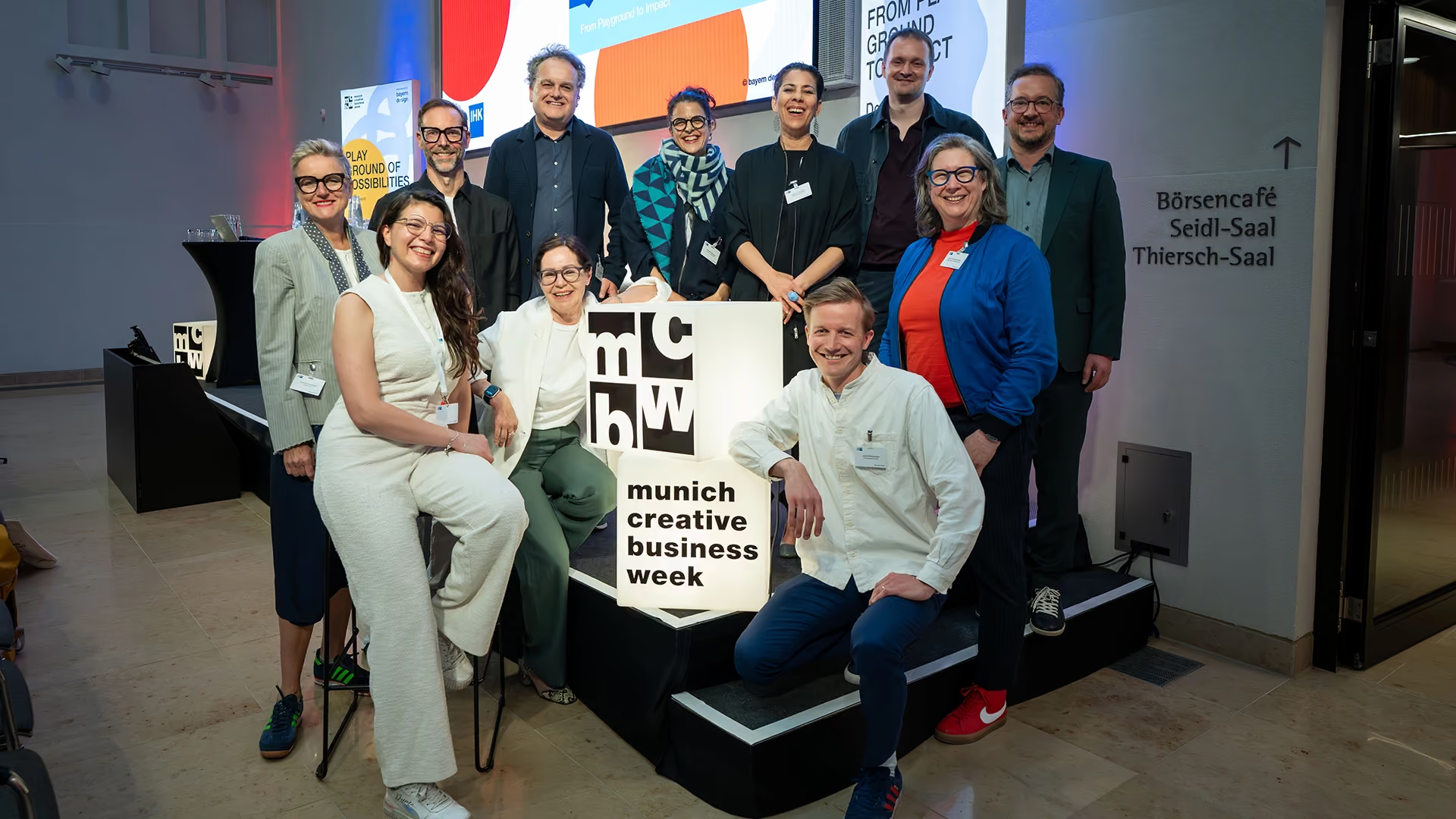
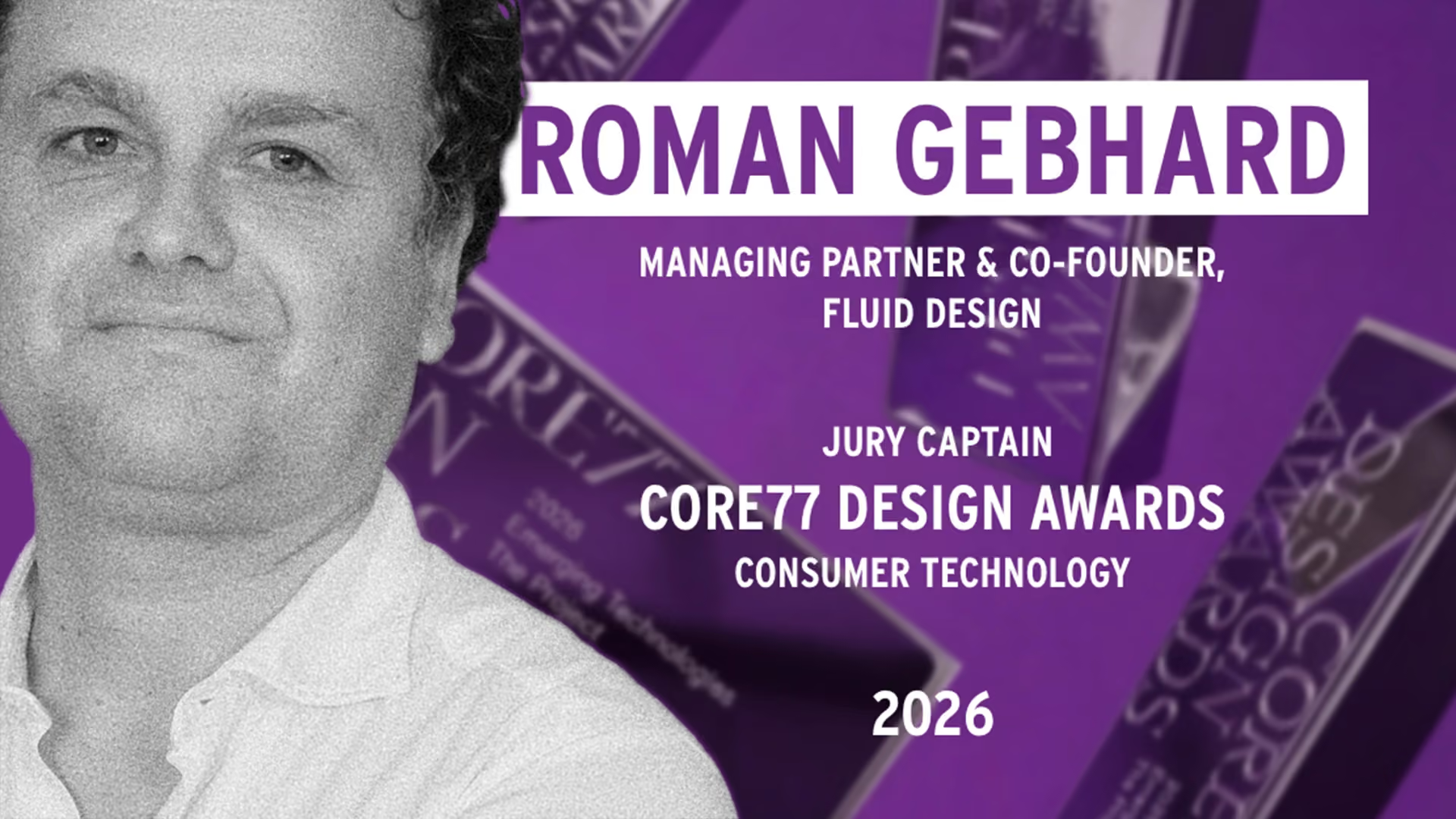
On Tuesday, 5 May, our Co-Founder Roman Gebhard joined the panel "From Playground to Impact" at the IHK Munich, hosted as part of the Munich Creative Business Week 2026.
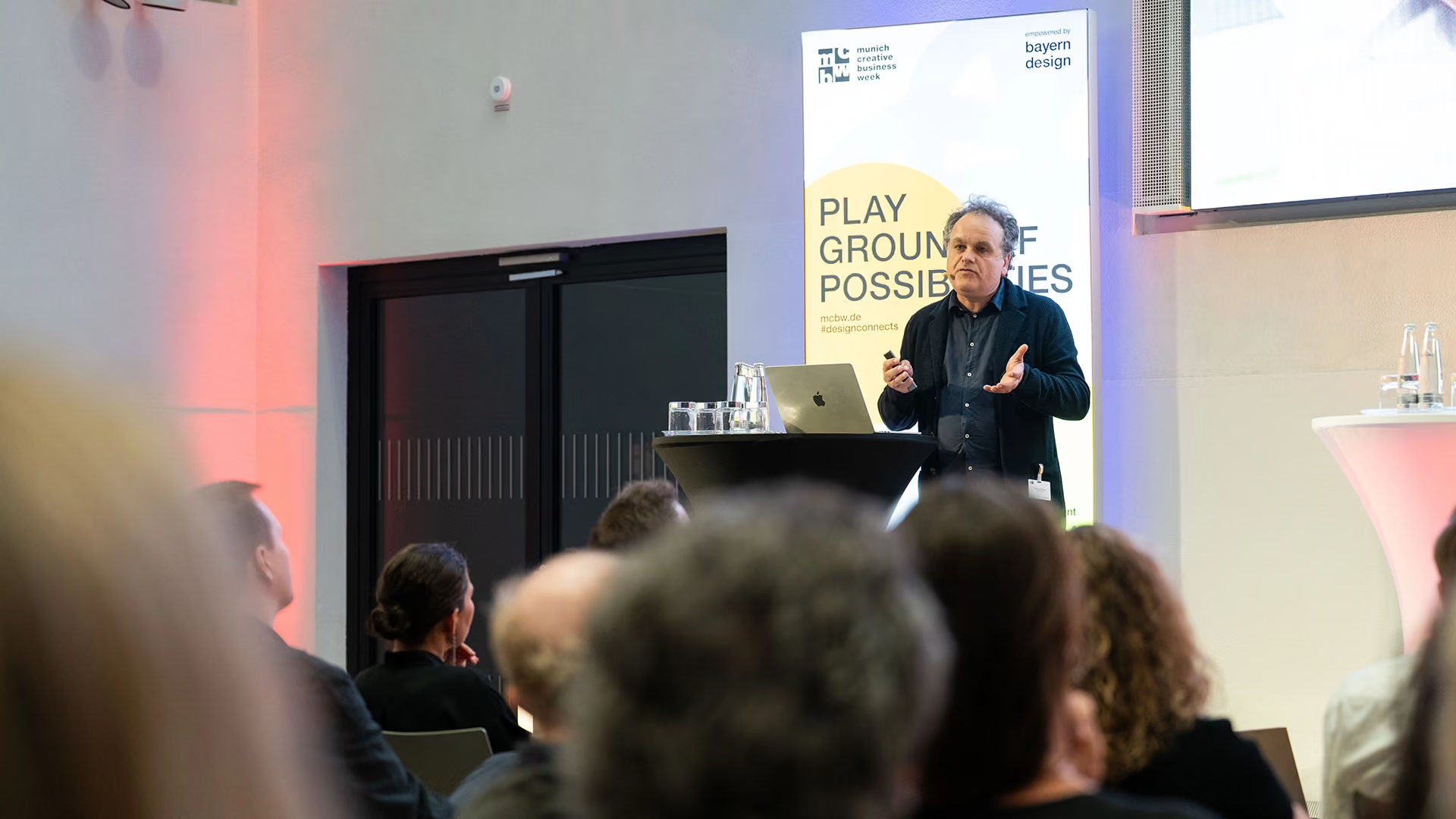
The format was a sequence of short inspiration talks followed by a panel discussion, bringing four very different perspectives on how design drives innovation into one room:
- Daniela Bohlinger (BMW Group), who leads the digital design process at BMW, on what it takes to scale design quality across a global organisation when more and more of the product becomes software.
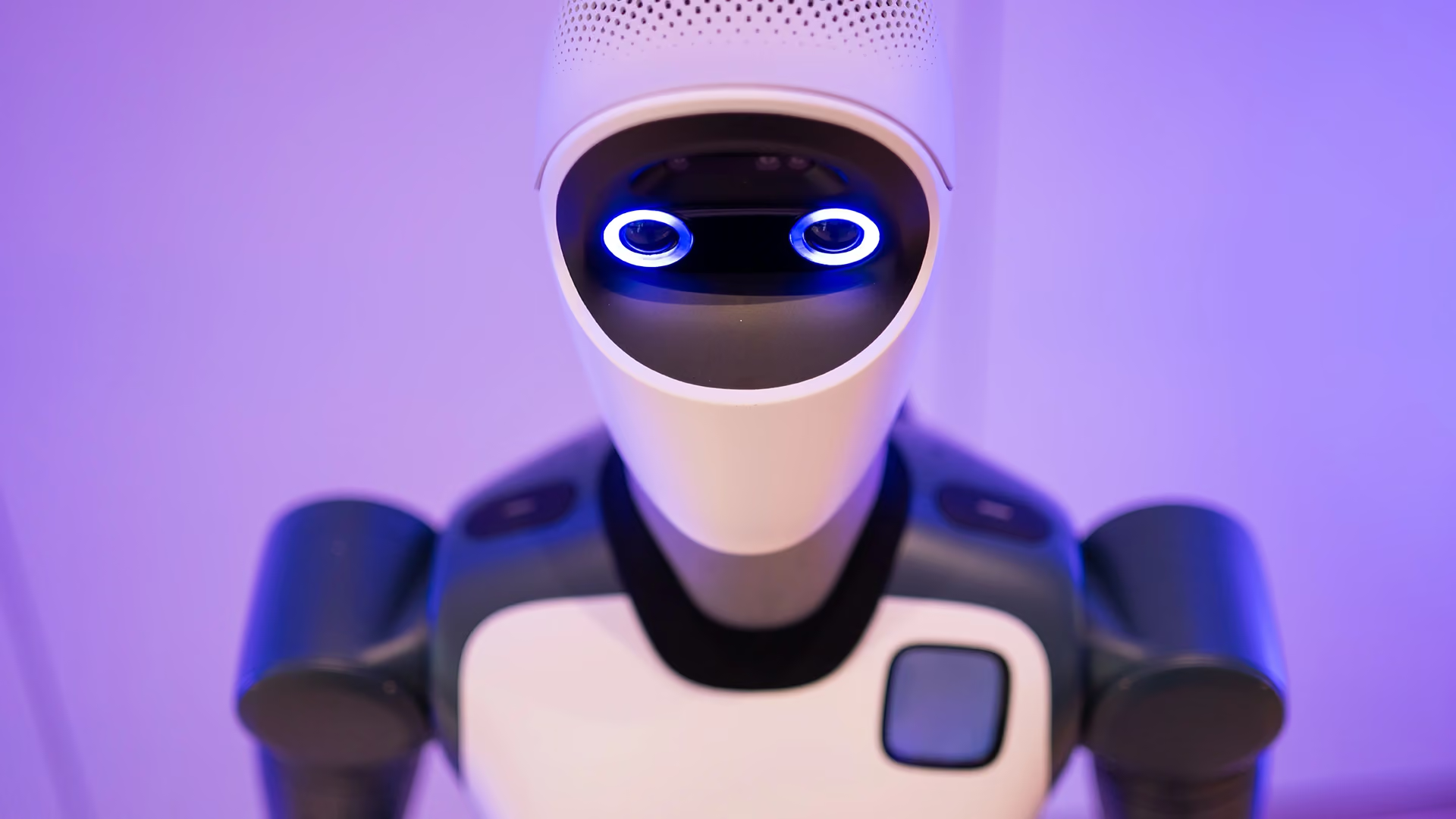
- Vincent Weckert (Agile Robots SE) on AI-based innovation in humanoid robotics, and what happens when intelligent systems move from controlled environments into shared human spaces.
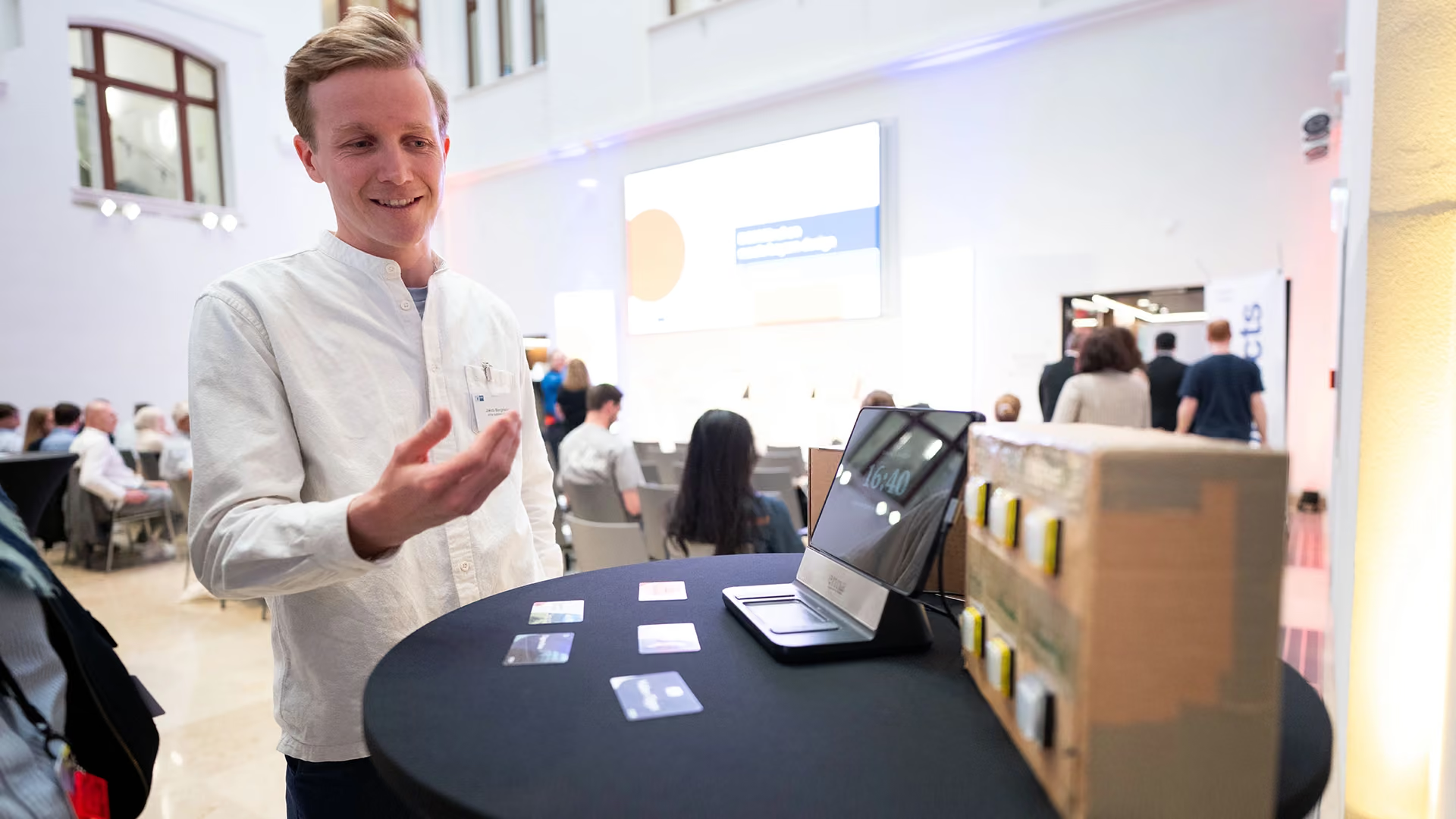
- Jakob Bergmeier (enna) on a deeply human kind of innovation. He built a video-call device, and a startup around it, so his grandmother could stay connected.
- Roman Gebhard (FLUID) on innovation in health and medtech, using two real projects, a new ultrasound therapy device Icon for Storz Medical and the Carevix gynaecological instrument for Aspivix, to make tangible how design moves an ambitious idea through to a regulated, market-ready product.
The discussion was moderated by Maren Martschenko, whose background spans innovation and brand building. She kept four industries in genuine conversation rather than four parallel monologues, and pulled the through-line out clearly: design as the discipline that turns possibility into impact.
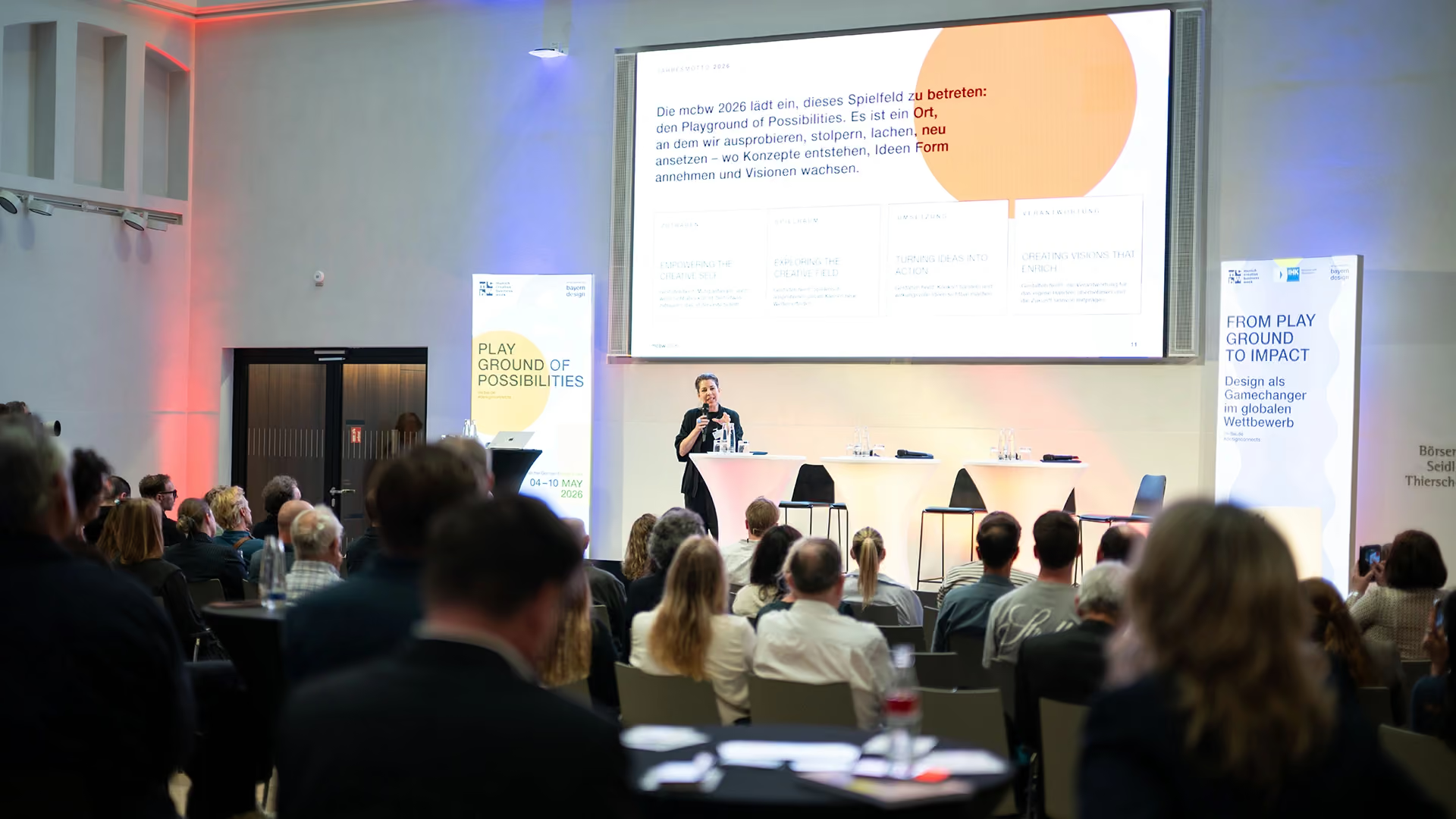
What the panel actually talked about
The conversation kept coming back to three threads.
New tools and methods. What is genuinely changing the day-to-day of design and product development right now, and what is hype that will fade. The honest answer was somewhere in between: a small number of tools are rewriting workflows, but the value still comes from the people using them and the questions they bring.
AI in product development and the design process. Less as a feature to bolt on, more as a layer that is starting to sit underneath everything: research synthesis, exploration of options, code, copy, simulation. The shared view: AI is most useful when it absorbs the overhead so designers and engineers can spend more time on judgement, taste, and real users.
The state of innovation inside companies right now. Where it is genuinely moving, where it has slowed under cost pressure, and what design leadership means in that climate. The takeaway from the room: innovation is not a budget line, it is a posture, and the companies keeping it alive are the ones who treat design as a strategic capability rather than a downstream service.
Munich Creative Business Week - Germany's largest design event
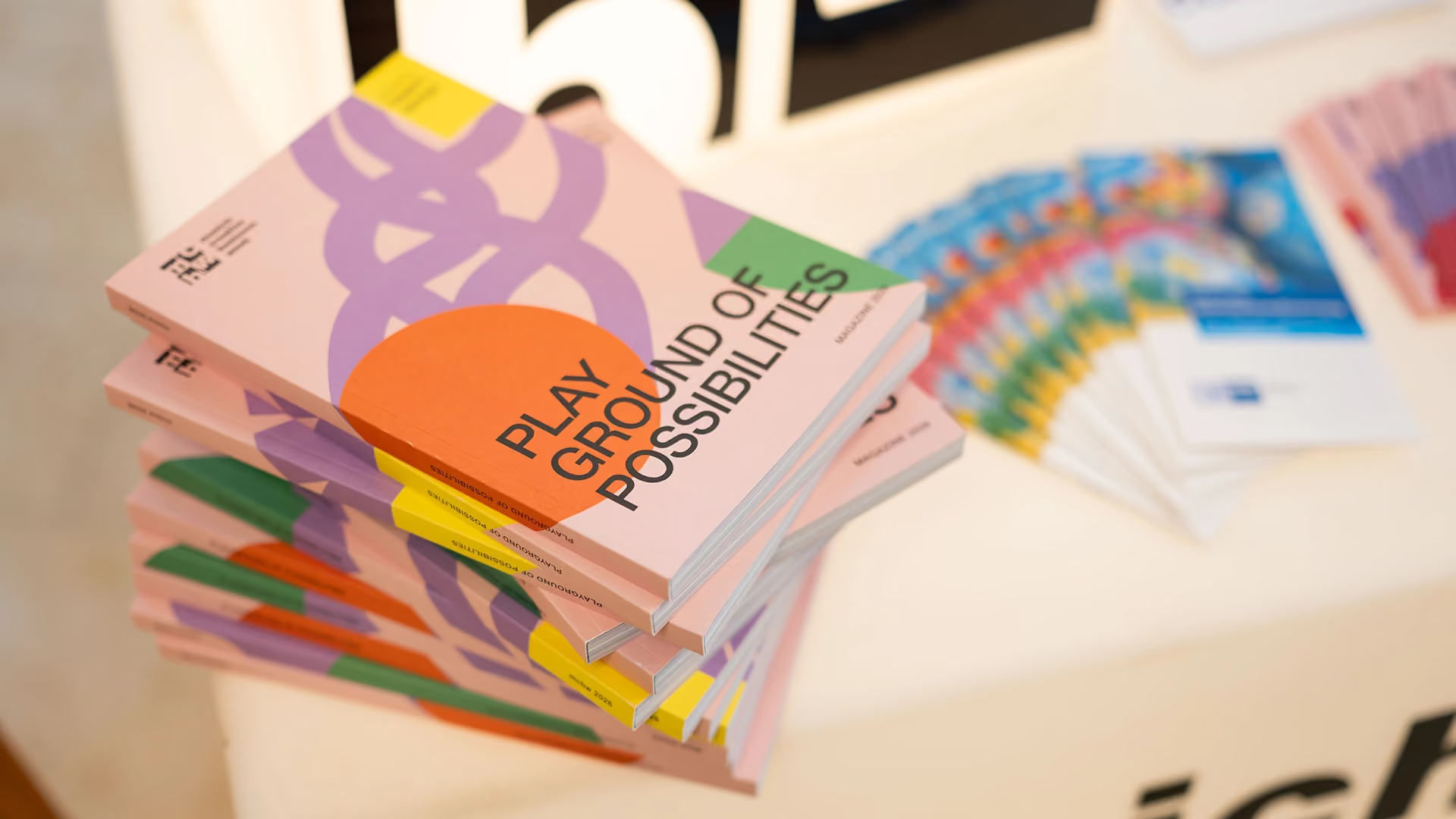
The MCBW is Germany's largest design event and one of the most important meeting points for the national and international creative and design industry. Organised by Bayern Design, it brings designers, companies, startups, students, and design enthusiasts to Munich every May. The goal is to make the cultural, ecological, and economic relevance of design tangible for everyone. This year's theme: Playground of Possibilities. FLUID has been part of the MCBW since its very first edition.
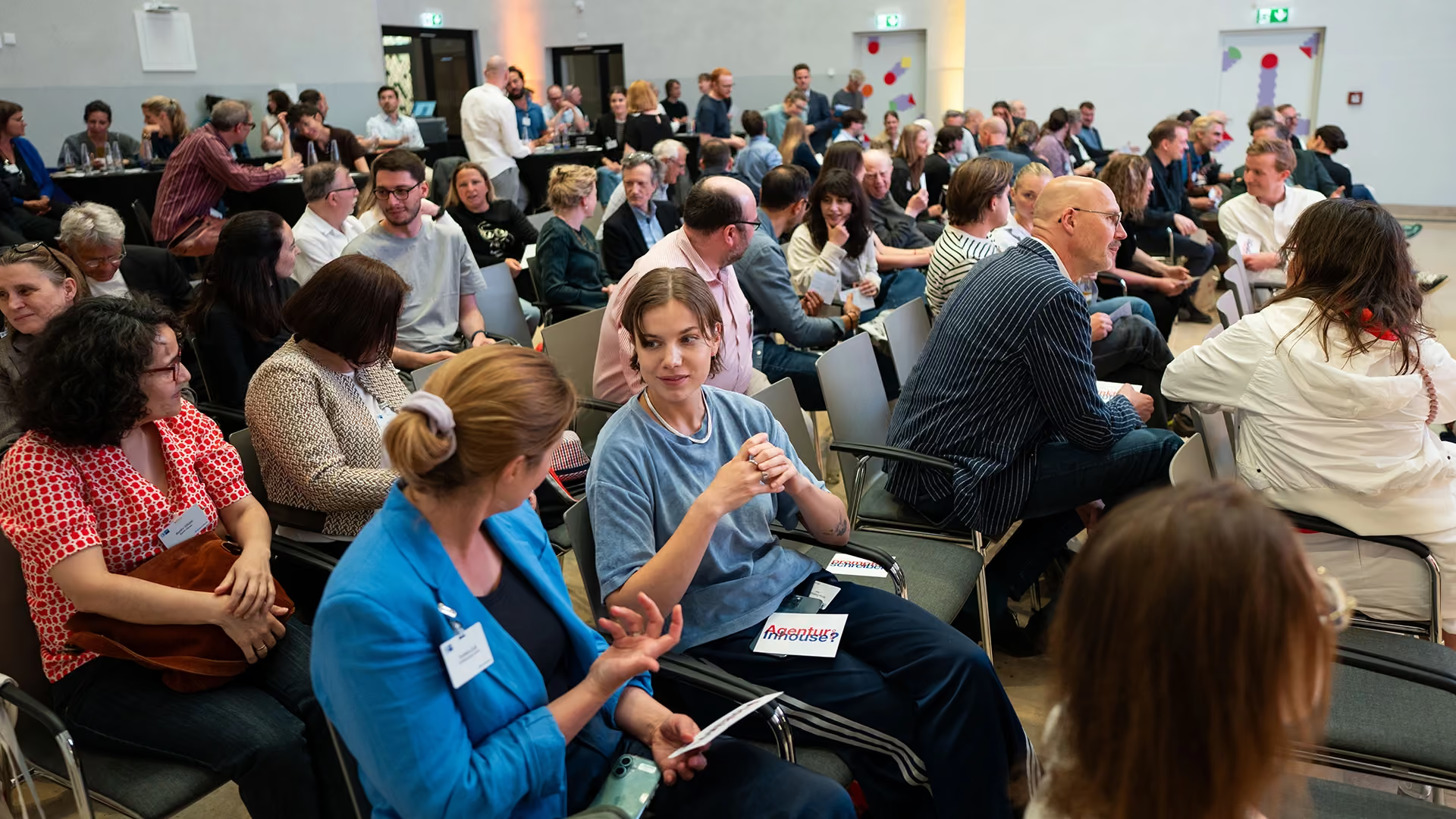
A room full of innovation people
What made the evening at the IHK was the audience and the conversations afterwards. Mid-sized companies, startup founders, and people working across innovation, R&D, and product leadership stayed long past the official end. The conversations crossed sectors - mobility, robotics, care, health - but the questions were strikingly similar: how do you bring design depth into an organisation that doesn't have an in-house design team, how do you make AI useful in a regulated environment, how do you keep humans at the centre when the product becomes more software than hardware?
Jakob's story struck a particular chord. A video phone for one grandmother showed what design-driven innovation looks like at its best: a real human problem taken seriously, then engineered, branded, and shipped with care.
These are exactly the conversations FLUID exists for, and exactly the kind of room the IHK and MCBW format is set up to create.
Thank you
A warm thank-you to Nadine Vicentini, Managing Director of Bayern Design and the Munich Creative Business Week, and Christoph Angerbauer, Member of the Executive Board of the Chamber of Commerce and Industry for Munich and Upper Bavaria, for hosting the panel and framing the discussion. And a special thank-you to Maren Martschenko for the moderation - the evening worked because she made it work.
A second thank-you to the people who actually built the evening behind the scenes: Nadine Kussinger and Kilian Fabich from Bayern Design, and Gabriele Vetter and Jessica Pleitez from the IHK Munich. The MCBW format works because of teams like theirs.
We'll be back next year.
Fotos: © Lukas Barth-Tuttas
Subscribe to our newsletter!

Copyright © FLUID Design GmbH — All rights reserved.